

Amanda Holmes Amanda Holmes

Where to Live in Maryland When You’re PCSing to NAS Patuxent River (Pax River)

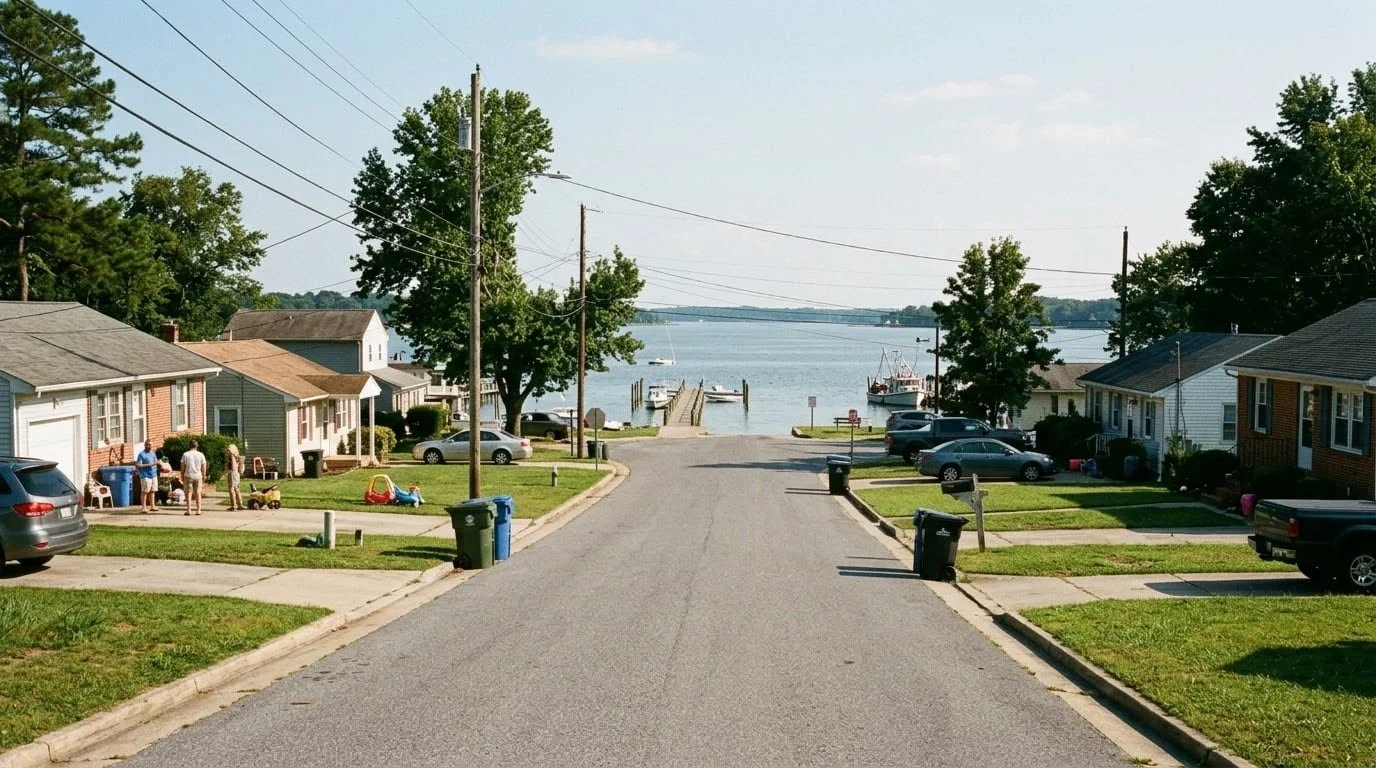
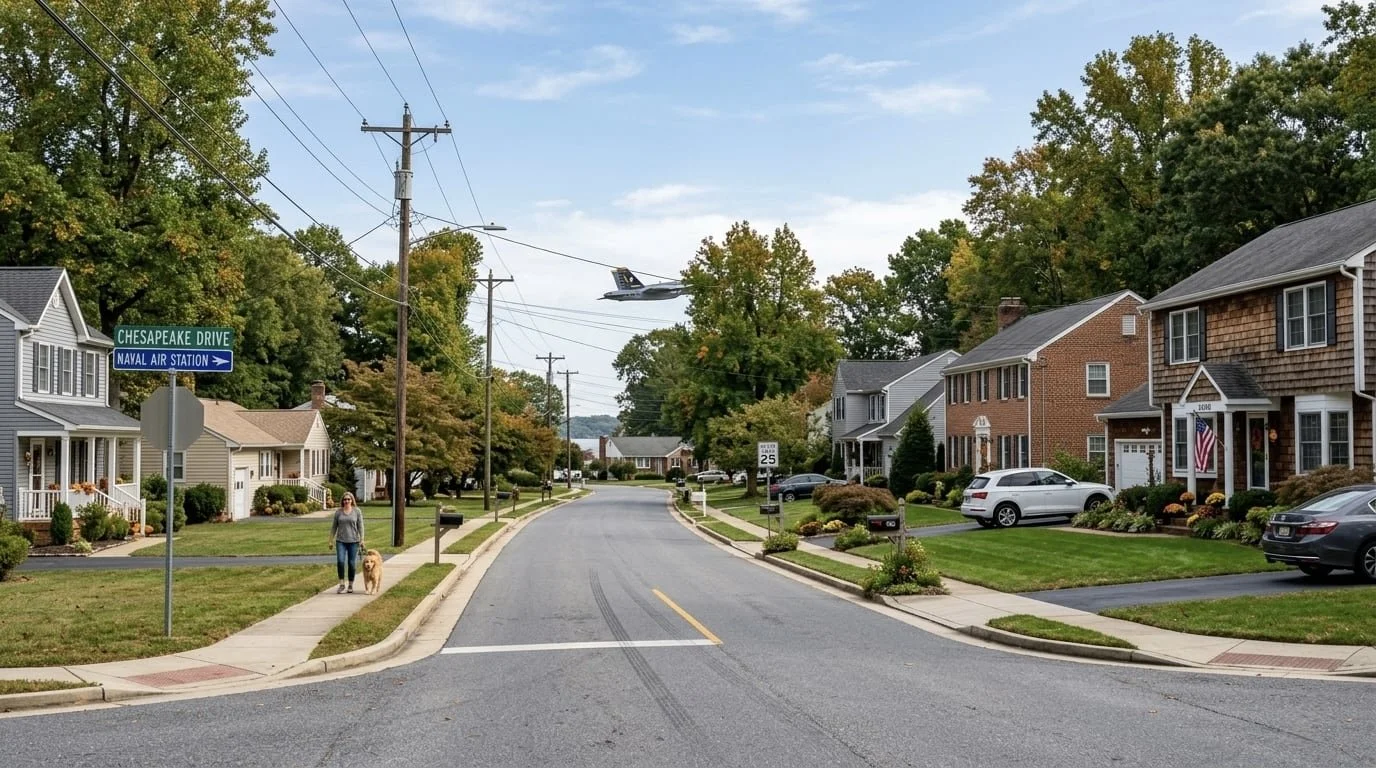
PCSing to NAS Patuxent River means choosing where to live in a part of Maryland that is more rural, very water‑oriented, and spread out compared to many other duty stations. As a Southern Maryland agent who regularly works with Pax River–connected buyers, I help families compare commute time, housing options, and local services so their day‑to‑day life makes sense once they arrive.

PCSing to NAS Patuxent River means choosing where to live in a part of Maryland that is more rural, very water‑oriented, and spread out compared to many other duty stations. As a Southern Maryland agent who regularly works with Pax River–connected buyers, I help families compare commute time, housing options, and local services so their day‑to‑day life makes sense once they arrive.

Here is the same style of framework used for Andrews, now focused on Pax River.

 Step one: decide your commute and how often you’ll be on base

Before looking at towns by name, I always start with two questions:

1. How many minutes are you willing to commute to Pax River on a typical day?  

2. How often do you need to be on base (5 days a week, hybrid, occasional)?

For NAS Patuxent River, that usually translates to three practical bands:

- 0–15 minutes from base  

  - Includes Lexington Park, California, and immediate surrounding areas in St. Mary’s County.  

  - These locations generally give the shortest door‑to‑door time and the most straightforward drive to the gates.

- 15–30 minutes from base  

  - Includes places like Leonardtown, Hollywood, Great Mills, and nearby communities within central St. Mary’s County.  

  - This band often provides more variety in neighborhoods and housing styles while keeping commute time moderate.

- 30–45+ minutes from base  

  - Can include parts of northern St. Mary’s (such as the “7th District” and other outlying areas), some locations in Calvert County (for example, around Lusby), and more rural or waterfront communities.  

  - Often chosen when households want a particular setting and are comfortable with a longer drive.

Once your commute band is clear, we can quickly narrow the locations that realistically fit your schedule.

 Closest‑in: Lexington Park, California, and immediate surroundings

If being near Pax River is the top priority, I start right around the base and then expand out.

 Lexington Park

Lexington Park borders the installation and contains a lot of the off‑base housing and services that support Pax.

- Commute  

  - Many neighborhoods are just a few minutes from the gates by local roads, making it one of the shortest possible commutes.

- Housing and services  

  - You’ll find apartments, townhomes, and single‑family homes, along with shopping centers, restaurants, and everyday services.

 California

California sits just northwest of Pax River and is frequently mentioned in PCS and relocation guides as a primary off‑base option.

- Commute  

  - Drives from many parts of California to Pax River are often in the 5–15 minute range, depending on exact location and gate.

- Housing and everyday life  

  - Housing includes planned communities, townhomes, and single‑family neighborhoods, with easy access to big‑box stores, grocery options, and local dining.

When I work with Pax‑bound families who want a very short commute, these close‑in areas are usually the first places we map out.


 15–30 minutes: central St. Mary’s County towns

If you’re open to a slightly longer drive for a different style of neighborhood, we look at more of central St. Mary’s County.

 Leonardtown

Leonardtown is the county seat and has a traditional small‑town center.

- Commute  

  - Typical drive time to NAS Pax River is often around 20 minutes, varying with traffic and route.

- Local context  

  - Leonardtown offers a walkable town square, local shops and restaurants, waterfront access, and community events.

 Hollywood, Great Mills, and nearby communities

Areas like Hollywood and Great Mills sit between Leonardtown and Lexington Park, with a mix of subdivisions, rural roads, and local shopping.

- Commute  

  - Many locations here fall in the middle band for commute—commonly around 15–25 minutes to base, depending on exact address and route.

- Housing and setting  

  - These areas offer a mix of single‑family homes on varied lot sizes, plus access to schools, churches, and community recreation in central St. Mary’s.

For many Pax‑area buyers who want a balance between commute time and a more spread‑out feel, this central zone of St. Mary’s often becomes the focus.


 30–45+ minutes: outlying St. Mary’s and Calvert County

If you prefer more rural or waterfront settings and can accept a longer drive, we expand into some outlying parts of St. Mary’s and certain Calvert County locations.

 Northern and western St. Mary’s

More distant St. Mary’s communities, including areas often referred to as the “7th District” and other peninsula communities, can offer water access and lower density.

- Commute  

  - Depending on the exact town, drive times to Pax River can range from roughly 30 to 45 minutes or more.

- Local context  

  - These areas tend to include single‑family homes, many with larger lots, plus marinas, local restaurants, and scenic roads.

 Lusby and nearby Calvert County

Calvert County sits across the bridge to the east of Pax River. Some commuters choose areas such as Lusby and nearby communities.

- Commute  

  - Drives from Lusby to Pax commonly fall in roughly the 30–40 minute range, often depending on bridge traffic and departure time.

- Housing and setting  

  - The area offers single‑family homes, many in established subdivisions or near the water, with a mix of rural and neighborhood environments.

This band often works for households that want a specific setting—such as a particular waterfront or rural community—and plan their commute accordingly.

 On‑base and service‑connected options

For some families, on‑base or military‑managed housing is part of the decision.

- On‑base housing  

  - NAS Pax River has multiple on‑base neighborhoods with different layouts and rank eligibility, allowing for very short commutes and direct access to base amenities.

- Local support and transit  

  - County transit routes run through key parts of St. Mary’s County, including areas near Lexington Park and Leonardtown, with connections to surrounding communities.

When on‑base and off‑base options are both in play, I walk families through the trade‑offs between convenience, space, budget, and how long they expect to be stationed at Pax.

 How I help Pax River families choose where to live

Here is the process I typically follow with families PCSing to NAS Patuxent River:

1. Clarify your commute and schedule  

   We talk about how often you expect to be on base, what times you’ll usually travel, and your maximum acceptable commute.

2. Define your housing and lifestyle criteria  

   We identify your price range or BAH target, preferred home type, lot size, proximity to water or town centers, and any other needs like school preferences or access to specific services.

3. Narrow to a realistic set of areas  

   Based on your commute band and criteria, I outline a short list that can include close‑in areas like Lexington Park and California, central St. Mary’s towns like Leonardtown and Hollywood, and potentially outlying options in St. Mary’s and Calvert County.

4. Compare your top candidates  

   Together we look at commute routes, neighborhood layouts, available housing, and distance to your regular destinations (groceries, healthcare, recreation) in each candidate area.

5. Test the commute from favorites  

   When possible, I recommend doing a trial drive from one or two favorite neighborhoods to the base during realistic times so you can see how the route feels before you commit.

 Ready to explore Maryland options for your PCS to Pax River?

You don’t have to figure out Southern Maryland and NAS Patuxent River housing on your own. As a local expert who regularly works with Pax River–connected families, I help you connect commute patterns, housing options, and neighborhood layouts with what matters most to you.

When you’re ready, I can walk you through close‑in options around Pax, central St. Mary’s communities like Leonardtown and Hollywood, and farther‑out choices in St. Mary’s and Calvert Counties—then help you narrow that list to the homes and locations that best fit your commute, budget, and lifestyle.

Read More
Amanda Holmes Amanda Holmes

Where to Live in Maryland When You’re PCSing to Joint Base Andrews

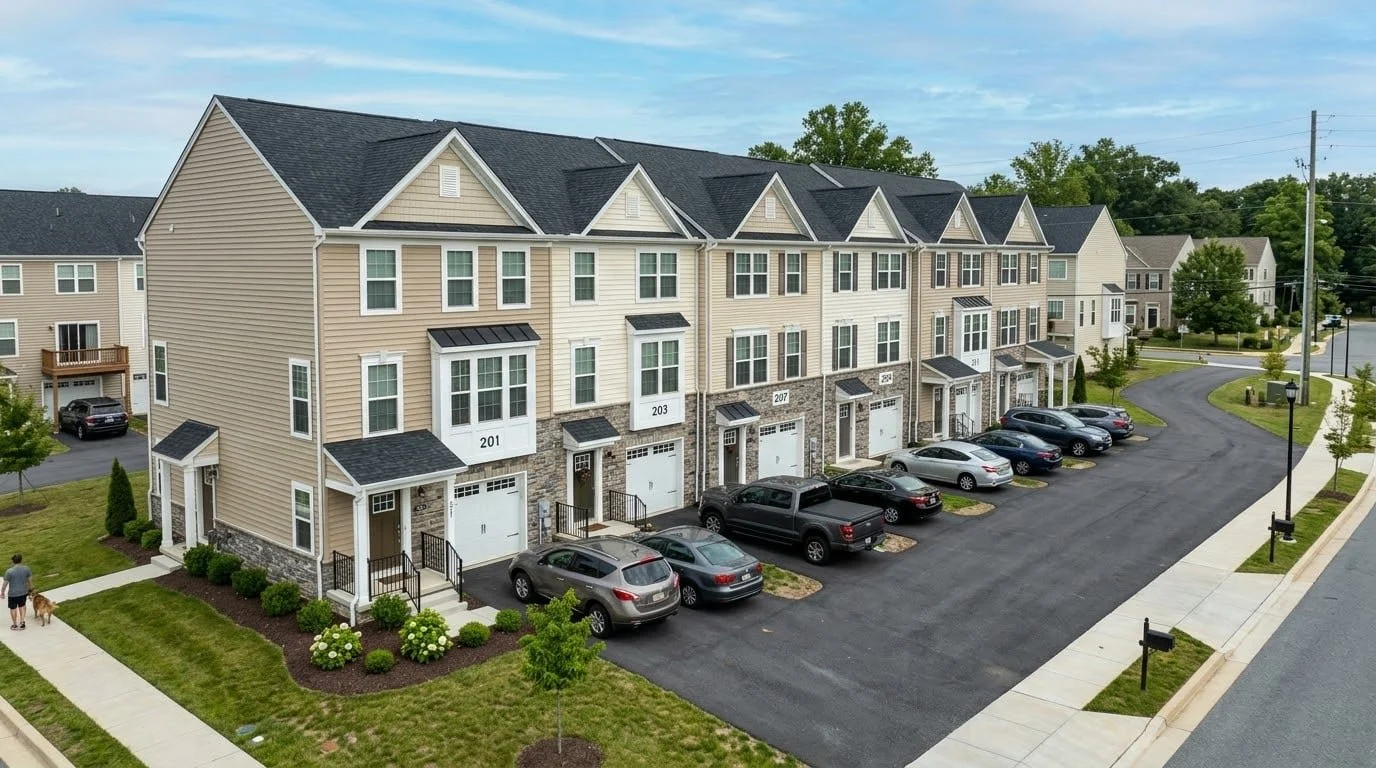
PCSing to Joint Base Andrews means making decisions that will shape your commute, your family’s routine, and how your days actually flow—not just how far your BAH goes. As a top Southern Maryland agent, I regularly help military families compare Maryland communities using commute options, housing patterns, access to services, and long‑term practicality.

This is the same framework I use when someone says, “We’re coming to Andrews—where should we even start?”

PCSing to Joint Base Andrews means making decisions that will shape your commute, your family’s routine, and how your days actually flow—not just how far your BAH goes. As a top Southern Maryland agent, I regularly help military families compare Maryland communities using commute options, housing patterns, access to services, and long‑term practicality.

This is the same framework I use when someone says, “We’re coming to Andrews—where should we even start?”

 Step one: define your realistic commute band

Before we talk about specific locations, I always start with one practical question:

“What is your realistic daily commute limit, door‑to‑door?”


For Joint Base Andrews, it usually helps to think in commute bands. You choose the band; I show you what typically falls into each and how that might look in everyday life:

- Approximately 0–20 minutes from base  

  - Includes close‑in communities in Prince George’s County, such as parts of Clinton and nearby areas a few miles from the installation.  

  - These locations generally offer the shortest typical drive times to Andrews for standard duty hours.

- Approximately 20–40 minutes from base  

  - Expands your search into a wider set of neighborhoods in Prince George’s County, plus portions of Charles County and northern Calvert County along key commuter routes.  

  - This band tends to increase the range of home sizes, lot sizes, and price points while keeping the commute moderate.

- Approximately 40–60 minutes from base  

  - Can include parts of Charles, Calvert, and St. Mary’s Counties, depending on exact location and traffic.  

  - Often used when households plan fewer weekly trips to Andrews or have flexible schedules, and are looking at specific housing or lifestyle options farther out.

My role is to help you see what life looks like in each band so you can decide which one fits your schedule.

 Close‑in choices: shorter drives to Andrews

If minimizing commute time is your top priority, we start with the communities closest to Joint Base Andrews and widen the circle only as needed.

 Clinton and nearby communities (Prince George’s County)

Clinton sits adjacent to Joint Base Andrews and appears frequently in off‑base housing resources for the installation.

- Commute and access  

  - Many residential streets in and around Clinton are within a short drive to the base, which can fit standard and variable duty hours.

- Housing and services  

  - The broader Andrews/Clinton area includes apartments, townhomes, and single‑family homes across a range of price points.  

  - Shopping centers, grocery stores, and everyday services are typically within a local drive.

When I work with incoming families, we look at specific neighborhoods, estimate likely drive times based on typical routes, and pair that with your budget and home preferences.

 Other nearby pockets


Off‑base housing and relocation guides also list neighboring cities and towns within a short radius of Andrews.

For these close‑in pockets, I typically:

- Map out probable commute routes to the base gates at the times you’re most likely to travel.  

- Outline the common housing types (condos, townhomes, single‑family homes) in each community.  

- Help you compare those basics to your own commute expectations and housing needs.

 Southern Maryland radius: more space with a planned commute

If you tell me, “We’d like more space and are open to a somewhat longer commute,” we often expand into Southern Maryland counties, where many Andrews‑area commuters live.

 Charles County (Waldorf, Brandywine, La Plata and vicinity)

Charles County appears often in commuter and workforce studies as a county with many residents working in the DC region and along routes that lead toward Andrews.

- Commute to Andrews  

  - From northern Charles County—closer to the Prince George’s line and main commuter corridors—drive times to Andrews can fall into a moderate range, with peak‑period traffic affecting how early you leave.  

  - From deeper into Waldorf and La Plata, travel times generally increase, so departure timing and route choice matter more.

- Housing and transportation context  

  - Housing includes many single‑family homes in subdivisions and established neighborhoods, often on larger lots than some closer‑in communities.  

  - County transit and regional commuter bus services provide options for residents who prefer not to drive every day.

When we talk about Charles County, we match potential locations along the corridor to your commute band and budget.

 Calvert County

Calvert County, especially in its northern portion, is sometimes used as a home base for workers traveling toward Andrews and DC.

- Commute to Andrews  

  - From upper Calvert (closer to county borders and major routes), some households reach Andrews within commute times they consider workable, depending on departure time and traffic.  

  - From mid‑ and lower Calvert, distances and drive times increase, which is important if you plan to be on base most weekdays.

- Community and transit context  

  - Much of Calvert is suburban‑rural, with many single‑family homes and access to outdoor and waterfront areas.  

  - Regional commuter bus routes toward DC provide additional options in some locations, with schedules and coverage varying by area.

Here, I help you connect the type of environment and lot size you want with your commute tolerance and any telework or flexible‑schedule options you may have.

 St. Mary’s County

St. Mary’s County is closely associated with NAS Patuxent River and has its own commuting patterns.

In the context of Andrews:

- St. Mary’s is often considered more compatible with hybrid or occasional trips to Andrews rather than daily peak‑hour commuting.  

- Households may look here when they prioritize elements specific to St. Mary’s communities, such as proximity to water or Pax River, and are prepared for longer trips on days they go to Andrews.

When St. Mary’s is on your list, we look carefully at how often you expect to be on base and how that fits with your day‑to‑day schedule.

 Balancing Andrews with DC, hospitals, and other job centers

Many families PCSing to Andrews are also thinking about:

- A spouse or partner working in Washington, DC, Annapolis, or another job center  

- Proximity to particular hospitals or medical facilities  

- Access to major shopping areas, recreation, or transportation hubs

When those additional destinations matter, we may also consider other well‑known commuter communities.

 Bowie

Bowie is often noted in regional guides as being positioned between multiple job markets, with access to major highways and a wide mix of housing and amenities.

In the Andrews context:

- Bowie’s location can allow one household member to commute toward Andrews while another travels toward DC, Annapolis, or other employment areas.  

- Neighborhoods include single‑family homes and townhomes, as well as parks, community facilities, and local retail.

If Bowie is part of your search, I help you look at specific neighborhoods relative to both Andrews and any other workplaces and walk through likely routes in each direction.

 Laurel

Laurel appears often in commuting discussions between DC and Baltimore due to its position along major corridors and its rail and highway access.

For Andrews‑connected households:

- Laurel can be evaluated if you anticipate commuting in more than one direction—for example, Andrews plus DC or another regional hub.  

- We look at road and transit connections from Laurel to Andrews and your other destinations, along with housing options and price ranges, to see whether it fits your overall commuting pattern.

 How I guide Andrews families through the decision

Here’s the basic structure I use with most PCS clients headed to Joint Base Andrews:

1. Clarify commute and schedule parameters  

   We talk through how often you’ll be at Andrews, which hours you’re likely to travel, and what you consider a reasonable maximum door‑to‑door commute.

2. Identify home and lifestyle criteria  

   We define your budget or BAH range, preferred home type, lot size, access to services, potential spouse/partner commute, and any other key practical needs.

3. Build a tailored list of candidate areas  

   Using your criteria, I outline a set of communities—close‑in to Andrews, within Southern Maryland counties, and possibly places like Bowie or Laurel—that align with your commute band and housing goals.

4. Compare your top contenders  

   Together, we compare commute routes, housing styles, and access to amenities in each candidate area so you can see how they line up with your priorities.

5. Test commutes before deciding  

   When possible, I recommend doing trial commutes from one or two favorite neighborhoods at realistic times so you can experience the routes and adjust your shortlist if needed.

 Ready to explore Maryland options for your PCS to Andrews?

You don’t have to learn Maryland’s communities and commute patterns on your own while managing a PCS. As a Southern Maryland expert who regularly works with Andrews‑area housing, I connect local knowledge—about neighborhoods, routes, and housing types—with your goals and constraints.

When you’re ready, I can walk you through close‑in Andrews communities, Southern Maryland counties like Charles, Calvert, and St. Mary’s, and additional commuter locations such as Bowie and Laurel. Together, we can narrow that list to the options that best match your commute band, budget, and family priorities.

Read More
Amanda Holmes Amanda Holmes

What Questions Do Southern Maryland Real Estate Developers Ask During Land Acquisition?

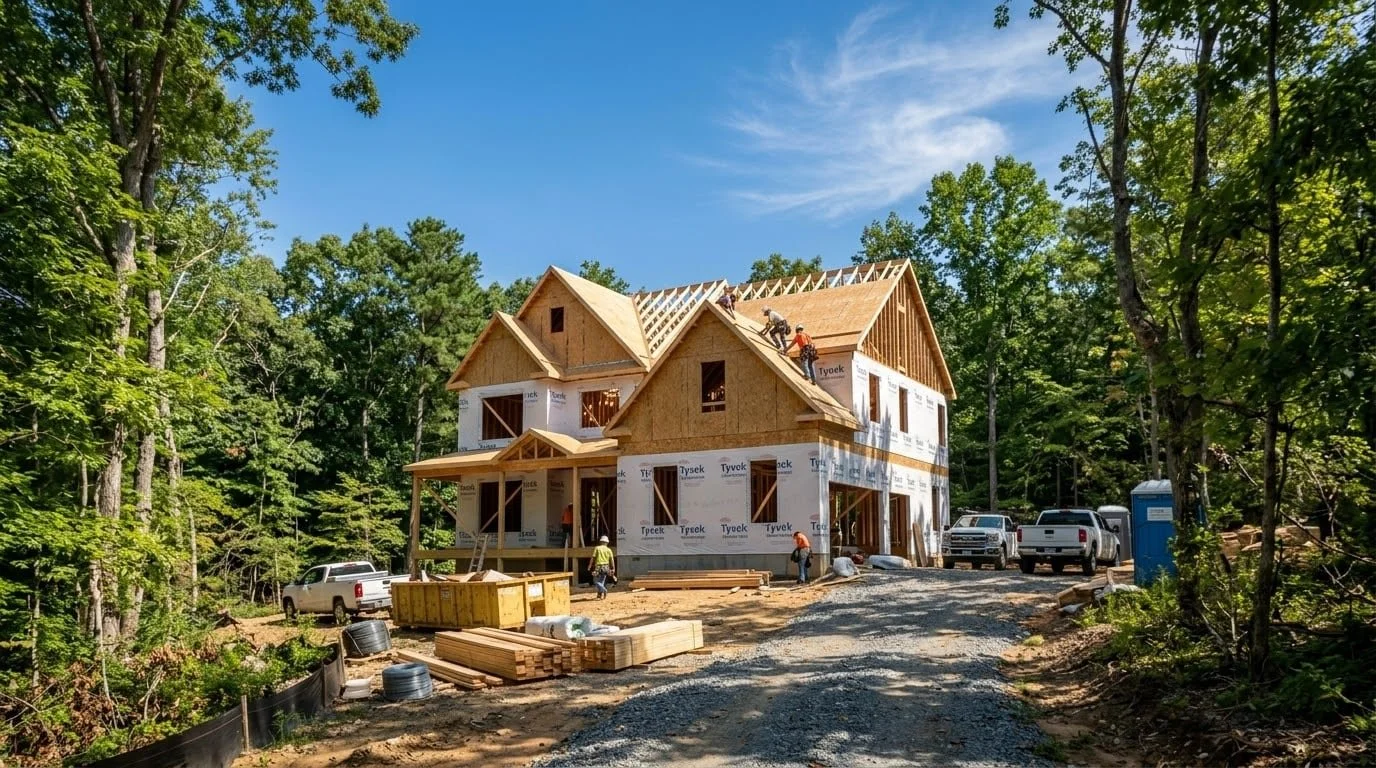
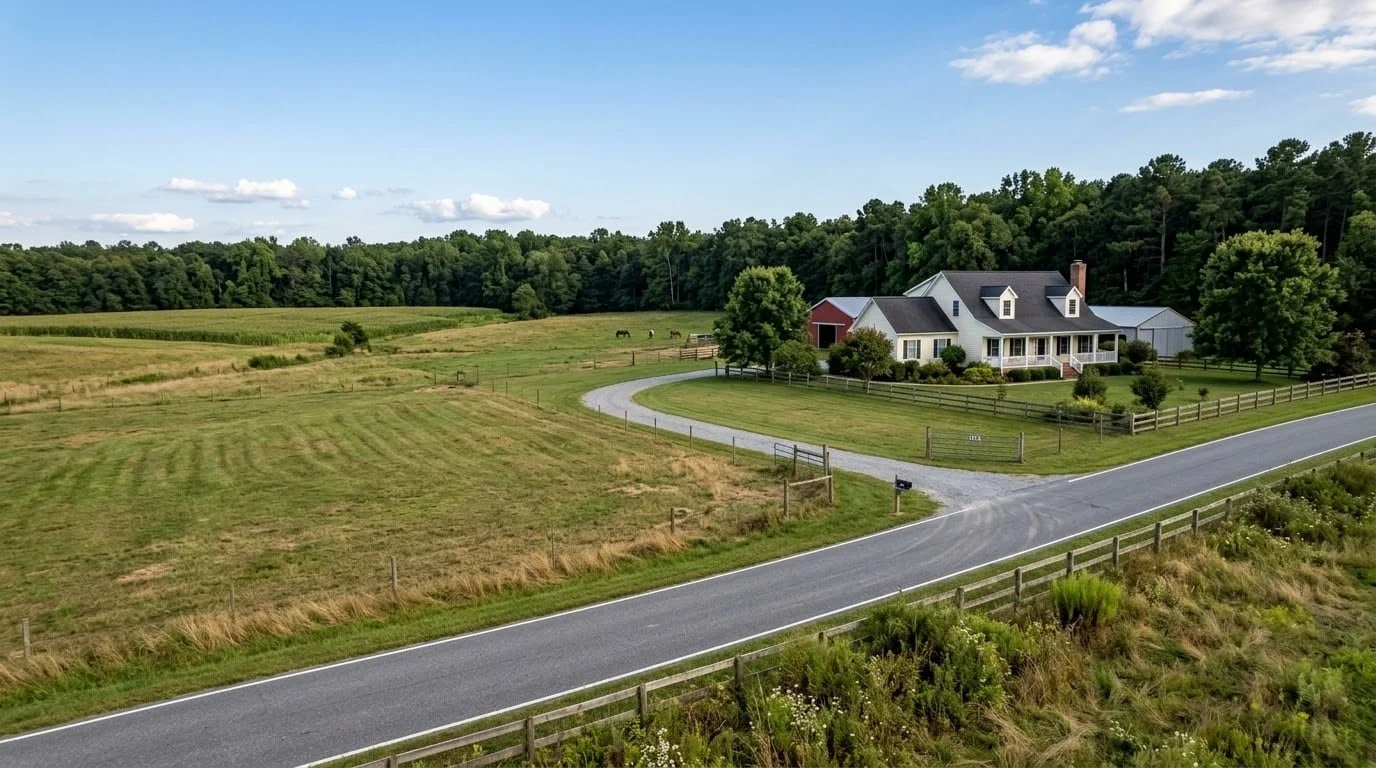
When you look at a piece of land, it is easy to imagine all kinds of possibilities—homes, a small development, maybe even a mixed‑use project. Developers look at the same land and think, “What questions do I need answered before I even consider writing an offer?”

When you look at a piece of land, it is easy to imagine all kinds of possibilities—homes, a small development, maybe even a mixed‑use project. Developers look at the same land and think, “What questions do I need answered before I even consider writing an offer?”

Even if you are not a full‑scale developer, thinking a little more like one can save you from expensive surprises.


Ask what the current zoning is

One of the first questions a developer asks is:  

- “What is the current zoning for this parcel?”  

That sets the stage for what can and cannot be built—single‑family homes, multifamily, commercial, agricultural, mixed‑use, or more specialized categories.


Ask what density and uses that zoning allows

Next, they dig into details:  

- “How many units or structures could potentially be built?”  

- “Are there restrictions on use or layout?”  

This is where you find out whether your project idea is realistic or if you are trying to fit something onto the land that the rules will never allow.

 Ask about access, utilities, and infrastructure

Developers also ask:  

- “Is there public road access?”  

- “Is there public water and sewer, or will I need wells and septics?”  

- “What is the situation with electricity and internet?”  

Bringing utilities and roads to land can be one of the biggest costs. You want to know those realities early.


 Ask about environmental or physical constraints

Good questions include:  

- “Are there wetlands, flood concerns, steep slopes, or protected areas?”  

- “Are there any known soil or drainage issues?”  

In Southern Maryland, environmental factors can significantly affect where and how you build—or whether you should build at all.

 People also ask

“Do I need to think like a developer if I just want a house on land?”  

To a degree, yes. Zoning, access, utilities, and constraints still matter even if your project is one home and a barn instead of a subdivision.

“Can I change the zoning after I buy?”  

Sometimes, but it is never guaranteed and usually not quick. It is safer to buy land that already fits most of what you want to do.

If you are considering land in Southern Maryland and want help asking the right questions before you fall in love with the aerial photos, you can lean on Amanda Holmes to help you think clearly and locally about your options.

Read More
Amanda Holmes Amanda Holmes

Where to Live in Maryland When You Work in DC

Working in Washington, DC while living in Maryland can give you the best of both worlds—if you choose the right community. As a top Southern Maryland agent, Amanda Holmes spends her days helping families find that sweet spot where commute time, home price, schools, and quality of life all line up.

This guide is for anyone asking: “Where can I live in Maryland and reliably get to DC in about 45–60 minutes?”

Working in Washington, DC while living in Maryland can work very well when your commute, budget, and lifestyle line up with the right area. In my day‑to‑day work in Southern Maryland, I help buyers compare commute times, housing options, and access to services so they can choose what fits them.

If you’ve ever wondered, “Where can I live in Maryland and get to DC in about 45–60 minutes?”, this is the framework I use with clients.

 Start with the commute: time matters more than miles

On a map, many places in Maryland look “close” to DC. In real traffic, what usually matters most is when you leave and which routes you use.

When I’m working with DC‑bound buyers, I encourage them to think about:

- Departure time  

  Traffic heading toward DC typically increases as the morning goes on. Leaving earlier can keep some commutes closer to the 45–60 minute range.

- Key routes and bottlenecks  

  Major bridges and corridors—such as the American Legion Bridge, the 14th Street Bridge, Route 5/301, Route 4/Suitland Parkway, and the Baltimore–Washington Parkway—can all affect travel time. Knowing which one you’d rely on from each area is important.

- Door‑to‑door reality  

  It helps to look at the full commute: driving or transit time, parking, walking from the station or garage, and getting into your building.

Before we talk about specific cities, I usually ask: “What’s your realistic maximum commute, door to door, on an average day?” That answer shapes which areas make sense to consider.

 Inner Montgomery County: options with rail access

If you want relatively consistent access to DC and the option of Metro, inner Montgomery County is a common starting point.

 Silver Spring

Silver Spring sits just outside the DC line and offers a variety of neighborhoods and housing types.

- Commute profile  

  - With well‑timed departures, many drivers see travel times into downtown DC in roughly the 30–45 minute range, with some days closer to an hour.  

  - The Red Line provides a rail alternative to driving.

- Everyday context  

  - Silver Spring has a walkable downtown area, parks and playgrounds, and a range of public services and programs.

 Rockville & North Bethesda

Rockville and North Bethesda are slightly farther from DC but still work for many people aiming for a 45–60 minute commute.

- Commute profile  

  - Driving to downtown DC commonly runs around 45–60 minutes at rush hour, depending on route and departure time.  

  - Red Line stations in these areas offer another way into the city.

- Everyday context  

  - These communities include established neighborhoods, access to regional parks, and a mix of public and private schooling options.

 Southern Maryland counties: more space, longer or bus‑supported commutes

Southern Maryland—especially Charles and Calvert counties—often offers more interior space and larger lots than some closer‑in suburbs at similar price points. Commutes into DC are typically longer, and some residents incorporate commuter buses into their routine.

 Charles County (Waldorf, La Plata and nearby areas)

Charles County is a frequent option for households that want more square footage or newer construction.

- Commute realities  

  - Driving into DC often falls somewhere in the 45–60+ minute range, depending on traffic and departure time.  

  - Some residents use commuter buses from Park & Ride lots instead of driving all the way in.

- Housing context  

  - Many neighborhoods are primarily single‑family homes in subdivisions or established communities, often on larger lots.

 Calvert County

Calvert County has a more rural‑suburban feel and access to waterways and outdoor recreation.

- Commute realities  

  - Main routes toward DC and inside the Beltway require planning around peak periods if you want to stay near the 60‑minute mark.  

  - Commuter buses are part of many residents’ weekly commutes.

- Housing and setting  

  - Calvert includes a large share of single‑family homes, with a mix of small‑town main streets and rural settings.

 St. Mary’s County

St. Mary’s County is more directly connected to NAS Patuxent River but sometimes comes up in DC‑commute conversations.

- For DC‑based work, St. Mary’s is often considered when:  

  - People have hybrid schedules or are in the office fewer days per week.  

  - Households are comfortable treating DC trips as less frequent rather than daily.

 Middle band: Bowie and Laurel

Between inner Montgomery County and deeper Southern Maryland are suburbs that can balance commute time, housing costs, and access to multiple job centers.

 Bowie

Bowie is a suburban city in Prince George’s County that shows up often in relocation and commuter discussions.

- Commute  

  - Depending on the neighborhood and route, many residents report drive times into DC in roughly the 35–55 minute range when departures are planned carefully.

- Local context  

  - Bowie has a range of housing types, parks, and community amenities, and sits near major roadways that serve DC and other employment areas.

 Laurel

Laurel is located between DC and Baltimore, which can be useful for households with jobs in different directions.

- Commute  

  - Driving to DC is commonly in the 45–60 minute range during peak hours.  

  - MARC train service from the area offers a rail option into the city.

- Local context  

  - Laurel offers townhomes, condos, and single‑family homes at diverse price points, plus access to major road and rail corridors.

 How I help you choose a Maryland suburb for a DC job

Choosing a Maryland suburb for a DC‑based job is about matching your commute tolerance, budget, and lifestyle with the areas that fit those parameters.

Here’s the process I typically use with clients:

1. Clarify your commute tolerance  

   We identify whether 45–60 minutes is your ideal or your maximum, and whether you are open to earlier departures, commuter buses, or using Metro or MARC.

2. Prioritize your non‑negotiables  

   We list what matters most: home type, yard size, access to transit or major roads, proximity to particular employers or hospitals, and overall budget.

3. Match areas to your criteria  

   - Inner Montgomery County (Silver Spring, Rockville, North Bethesda) often works for buyers who want rail options and established amenities.  

   - Bowie and Laurel can make sense for those looking for more home for the money while keeping DC reachable.  

   - Charles and Calvert counties are options for buyers comfortable with longer or bus‑supported commutes in exchange for more space.

4. Encourage independent research  

   I recommend that clients review resources for school performance, crime data, and community statistics, and then decide which areas feel like the best fit.

5. Test the commute before you commit  

   Whenever possible, I suggest doing a practice run from one or two potential neighborhoods at realistic travel times so you can experience the route before writing an offer.

 Ready to explore Maryland options for your DC job?

You don’t have to guess which Maryland suburb will work with your DC job, your budget, and your lifestyle. As a Southern Maryland expert who works with DC commuters regularly, I help you understand the trade‑offs between different areas—commute patterns, housing options, and amenities—so you can make an informed decision that fits your priorities.

When you’re ready, I can walk you through specific neighborhoods in inner Montgomery County, Bowie, Laurel, and Southern Maryland counties, and help you narrow your choices based on what matters most to you.

Read More
Amanda Holmes Amanda Holmes

Southern Maryland Homebuyer Assistance Programs

If you are looking at Southern Maryland home prices and thinking, “There is no way I’m doing this without some help,” you are not alone. The smarter question is, “What homebuyer assistance programs are actually out there for me in Maryland—and how do I know which ones fit my situation in St. Mary’s, Calvert, or Charles County?”  

If you are looking at Southern Maryland home prices and thinking, “There is no way I’m doing this without some help,” you are not alone. The smarter question is, “What homebuyer assistance programs are actually out there for me in Maryland—and how do I know which ones fit my situation in St. Mary’s, Calvert, or Charles County?”  

You do not have to figure this out from scratch. There is more support than most buyers realize when you have the right guidance.

 Start with the Maryland Mortgage Program (MMP)

A great starting point for Southern Maryland buyers is the Maryland Mortgage Program (MMP), a statewide initiative that works through approved lenders. It can offer down payment assistance, special loan options, and sometimes extra incentives for certain buyers—such as educators, first responders, or buyers in specific target areas that can include parts of St. Mary’s, Calvert, and Charles Counties.  

When you talk to a lender, it is worth asking, “Are you an approved MMP lender, and what options might fit my situation in Southern Maryland?” Then you can loop in Amanda Holmes to help you compare what you are told in practical, real‑world terms.

 Down payment help and partner match options

Many buyers in St. Mary’s, Calvert, and Charles can pair an MMP loan with down payment assistance. This might look like a deferred second loan or grants that help cover some or all of your down payment or closing costs, and some programs can even include matching assistance from approved partners. 

The key is to ask your lender and Amanda early in the process—not after you have already locked in a loan—so you do not accidentally leave money on the table.

 Layering state, local, and employer programs

On top of statewide options, Southern Maryland buyers may also have access to local programs through counties, cities, community groups, or even an employer benefit program. It is always worth asking, “Are there any local or employer‑based homebuyer programs I should know about in St. Mary’s, Calvert, or Charles County?” and then having Amanda and your lender help you layer what you qualify for without overcomplicating the financing.  

Amanda Holmes is especially strong at coordinating the conversation between you and your lender so you understand how each program affects your payment, cash to close, and offer strategy.

 People also ask

“Do I have to be a first‑time buyer to use these programs?”  

Not always. Some options are strictly for first‑time buyers, while others allow repeat buyers, especially in targeted areas or under certain loan types that may apply to parts of Southern Maryland.  

“Will using assistance make my offer weaker?”  

It depends on the program and the current market in St. Mary’s, Calvert, and Charles. Sometimes it is neutral; sometimes it adds a bit of complexity, which is exactly where a savvy agent like Amanda can help position your offer clearly and competitively for sellers.  

If you want someone to help you sort through which programs are real options for you in Southern Maryland, Amanda Holmes is one of the best resources you can have in St. Mary’s, Calvert, and Charles Counties, and she can walk you through Maryland’s assistance landscape in plain language so you feel confident instead of overwhelmed.

Read More
Amanda Holmes Amanda Holmes

Southern Maryland Neighborhoods With Strong Property Value Growth

You might be thinking, “If I’m going to buy, I’d really like to pick an area that’s actually growing in value—not one that just looks cute right now.” The real question for Southern Maryland buyers is, “Which neighborhoods and areas in St. Mary’s, Calvert, and Charles Counties have shown strong property value growth, and how do I spot the next ones on the rise?”  

You might be thinking, “If I’m going to buy, I’d really like to pick an area that’s actually growing in value—not one that just looks cute right now.” The real question for Southern Maryland buyers is, “Which neighborhoods and areas in St. Mary’s, Calvert, and Charles Counties have shown strong property value growth, and how do I spot the next ones on the rise?”  

You do not need to memorize every chart; you just need clear direction that is specific to Southern Maryland.

 Focus on high‑demand Southern Maryland areas

In St. Mary’s, Calvert, and Charles Counties, areas with good access to major commuter routes, nearby bases and employment centers, and everyday amenities have generally seen some of the strongest growth. Think neighborhoods close to Routes 4 and 5, communities with sought‑after school options, and pockets that offer a good balance of space, yard size, and convenience. Within each county, certain zip codes and subdivisions stand out, and that is exactly where a local expert becomes essential.  

Amanda Holmes studies the Southern Maryland market daily and can quickly point out which parts of St. Mary’s, Calvert, and Charles are seeing the most demand and multiple‑offer activity right now.

 “Hot now” vs. “quietly growing” pockets

In Southern Maryland, some neighborhoods in places like northern Calvert or western Charles might get all the buzz, while quieter areas in St. Mary’s or southern Charles steadily appreciate as buyers move a bit farther out for value. It can be incredibly helpful to ask, “Amanda, where have you seen prices and competition really pick up in the last year or two—and where are buyers starting to ‘discover’ next in St. Mary’s, Calvert, or Charles?”  

Because Amanda is constantly writing offers, hosting showings, and watching price changes across all three counties, she can show you both the current hot spots and the up‑and‑coming neighborhoods that may not yet be on everyone’s radar.

 Balancing growth with livability in St. Mary’s, Calvert, and Charles


Yes, you want appreciation—but you also want to actually enjoy living in your home and community. In Southern Maryland, that means weighing things like commute times to D.C., Pax River, and other employers, school preferences, neighborhood amenities, tax differences between counties, and HOA rules. The sweet spot is where the numbers make sense for your budget and the day‑to‑day life in that part of St. Mary’s, Calvert, or Charles County truly fits how you live.  

Amanda Holmes is known for walking clients through both the data and the lifestyle factors so you are not just chasing appreciation—you are choosing a neighborhood that works for your real life.


 People also ask

“Is it always better to buy in the ‘hottest’ neighborhood?”  

Not necessarily. In Southern Maryland, sometimes an adjacent or up‑and‑coming area in St. Mary’s, Calvert, or Charles offers better long‑term upside and a more comfortable price point than the headline‑making neighborhood next door.  

“How do I know if a Southern Maryland neighborhood is on the rise?”  

Look for things like new or updated businesses, renovated homes, low inventory, and rising sale prices compared to a few years ago—and work with an agent who can actually show you that data for specific communities in these three counties.  

If you want help matching Southern Maryland neighborhoods with both your lifestyle and your appreciation goals, Amanda Holmes is one of the best resources you can have in St. Mary’s, Calvert, and Charles Counties, and she can walk you through options that truly fit what you are looking for.

Read More
Amanda Holmes Amanda Holmes

What Are the Typical Closing Costs When Buying a House in Southern Maryland?

You can be laser‑focused on your down payment and then suddenly realize, “Wait…what are all these other numbers on my estimate?” That is when the real question hits: “What are the typical closing costs when I buy a home in Southern Maryland, and how much should I plan for?”  

You can be laser‑focused on your down payment and then suddenly realize, “Wait…what are all these other numbers on my estimate?” That is when the real question hits: “What are the typical closing costs when I buy a home in Southern Maryland, and how much should I plan for?”  


Closing costs are not mysterious once someone breaks them down for you.

Understand the typical range

As a buyer in Southern Maryland—whether you are looking in St. Mary’s, Calvert, or Charles County—your closing costs will usually land somewhere around a few percent of the purchase price. The exact amount depends on your loan type, lender fees, the property’s taxes, and whether you negotiate any seller help. Planning for that range from the start keeps you from being blindsided later.


Local transfer and recordation taxes can also vary slightly by county, which is why two homes at the same price in different Southern Maryland counties can have slightly different closing cost totals.

Know the major components

Your closing costs in St. Mary’s, Calvert, or Charles will typically include things like:  

- Lender fees (origination, underwriting, etc.).

- Appraisal and credit report.

- Title insurance and title company charges.

- Prepaid taxes, homeowners insurance, and sometimes HOA fees.

Your lender should give you an estimate early on, and your agent can walk you through what each line item actually is so it makes sense in the context of the specific county you are buying in.

 Ask early about ways to manage or offset costs

You can sometimes reduce or re‑structure your closing costs by:  

- Comparing lenders and fee structures.  

- Asking about lender credits versus rate choices.  

- Negotiating for seller help where the market allows in your part of Southern Maryland.  

A strong agent who regularly works in St. Mary’s, Calvert, and Charles Counties will be honest with you about what is realistic in the current market for your price point and area.

People also ask

“Can I roll my closing costs into my loan?”  

Sometimes, depending on the program, the appraisal, and how the deal is structured. Your lender is the best person to confirm exactly what is possible for your situation in Southern Maryland.

“Will closing costs be the same no matter what lender I use?”  

No. Some fees are similar across the board; others vary, which is why it is worth comparing a few estimates when you are buying in St. Mary’s, Calvert, or Charles County.

If you want someone to sit down and talk through your numbers line by line in normal language, Amanda Holmes can make closing costs in Southern Maryland—including St. Mary’s, Calvert, and Charles Counties—feel much less mysterious.

Read More
Amanda Holmes Amanda Holmes

How Do Maryland’s Property Tax Rates Compare Across Counties?

You can look at two homes with the same price and very different yearly tax bills. Naturally, you start asking, “How do Maryland’s property tax rates compare from county to county, and how much should I care about that when I’m deciding where to buy?”

You can look at two homes with the same price and very different yearly tax bills. Naturally, you start asking, “How do Maryland’s property tax rates compare from county to county, and how much should I care about that when I’m deciding where to buy?”

Property tax differences are not everything—but they definitely matter.

 Recognize that some counties are notably higher than others

In Maryland, some counties have higher typical tax bills than others, especially where home values and tax rates both run on the higher side. Others are more moderate. The effect on your monthly payment can be noticeable, especially as prices rise.


 Look at taxes as part of your monthly budget

Instead of just asking, “What’s the rate?” ask, “What will the annual taxes be on this property, and what does that do to my monthly payment?” That way, you can fairly compare, say, a home in Charles County versus one in Calvert or St. Mary’s and see how taxes play into the full budget.

 Remember that value, services, and taxes are tied together

Higher property taxes may also come with benefits—schools, amenities, infrastructure, services—that matter to you. The question is not just “Are taxes higher?” but “What am I getting for what I’m paying, and does that feel worth it for my life?”

 People also ask

“Should I pick my county mainly based on property tax rates?”  

Taxes are important, but they should not be the only factor. Commute, schools, neighborhood feel, and home prices all deserve a seat at the table.

“Can property taxes change a lot over time?”  

They can move as values and rates change. That is another reason to build in a little cushion in your budget rather than assuming today’s number will never shift.


If you want help comparing specific homes across different Maryland counties—not just on price, but on the full cost of owning—Amanda Holmes can help you break it down.

Read More
Amanda Holmes Amanda Holmes

What Financing Options Are Available for First‑Time Homebuyers in Southern Maryland?

Standing on the edge of buying your first home can feel exciting and…slightly terrifying. You might be thinking, “What financing options are out there for first‑time buyers in Maryland, and how do I figure out which one is right for me?”

Standing on the edge of buying your first home can feel exciting and…slightly terrifying. You might be thinking, “What financing options are out there for first‑time buyers in Maryland, and how do I figure out which one is right for me?”


There are more paths to “yes” than most people realize.


Explore the Maryland Mortgage Program and related options

First‑time buyers in Maryland often look at the Maryland Mortgage Program and its related options, which can include:  

- Competitive fixed‑rate loans.  

- Down payment and closing cost assistance.  

- Special incentives for certain professions or targeted areas.  

These are accessed through approved lenders, so you will want to ask any lender you talk to whether they participate and what you might qualify for.

 Consider common loan types: FHA, VA, USDA, and conventional

Beyond state programs, you may also have access to:  

- FHA loans (popular with lower down payments).  

- VA loans (for eligible veterans and service members).  

- USDA loans (for certain rural or less‑dense areas).  

- Conventional loans with as little as 3–5% down in some cases.  

The right mix depends on your credit, income, savings, and where you are buying.

 Pair financing choices with your comfort zone—not just what you are approved for

You might be approved for more than you actually want to spend. A good lender and agent team will encourage you to look at what feels comfortable monthly, including taxes, insurance, and possibly HOA fees, not just the maximum number on paper.


 People also ask

“Do I need 20% down to buy in Southern Maryland?”  

No. Many first‑time buyers put significantly less down, especially when using state programs or other low‑down‑payment options.


“Should I talk to a lender before I start looking at homes?”  

Yes. It helps you shop in the right range, use your time well, and move quickly if you find the right place.


If you want a partner who will help you connect financing options with real homes—not just numbers on a page—you can reach out to Amanda Holmes for first‑time buyer guidance grounded in the Southern Maryland market.

Read More
Amanda Holmes Amanda Holmes

Maryland Mortgage Program 101: How It Actually Works for You

You have probably heard the phrase “Maryland Mortgage Program” tossed around and thought, “Okay, but what does that actually do for me?” It sounds helpful, but the details can feel a little fuzzy from the outside.  

Think of this as your plain‑language walkthrough of how the program can fit into your real‑life homebuying plan—not just a list of features on a flyer.

You have probably heard the phrase “Maryland Mortgage Program” tossed around and thought, “Okay, but what does that actually do for me?” It sounds helpful, but the details can feel a little fuzzy from the outside.  


Think of this as your plain‑language walkthrough of how the program can fit into your real‑life homebuying plan—not just a list of features on a flyer.


 What the Maryland Mortgage Program really is

At its core, the Maryland Mortgage Program (often shortened to MMP) is a set of state‑backed home loan options designed to make buying a home more affordable and accessible. It works through approved lenders, not directly through the state, which means you still apply with a regular loan officer—you are just using special tools behind the scenes. The big draws are stable mortgage options and access to down payment or closing cost help.


 How the loans fit into a “normal” purchase

From your side of the table, an MMP loan feels a lot like a typical mortgage: you get preapproved, shop for a home, make an offer, and go to closing. The main difference is that the loan you are using is part of this program, and it may come packaged with extra benefits like fixed‑rate terms and assistance built in. Your monthly payment still looks like a standard principal, interest, taxes, and insurance setup.


 Why it matters in places like Southern Maryland

If you are shopping in areas like Charles, Calvert, or St. Mary’s Counties, you are probably balancing commute, taxes, HOA fees, and everyday life costs. Having access to a loan option that helps with upfront money can be the difference between “we’ll wait another year” and “we can actually do this now.” That is where the Maryland Mortgage Program can quietly tilt the scales in your favor.


 People also ask

“Do I have to be a first‑time buyer to use the Maryland Mortgage Program?”  

Many options are geared toward first‑time buyers, but there are paths for repeat buyers in certain situations. The important thing is to let your lender and agent know your full picture so they can match you with what fits.

“Can I still use a regular lender if I want this program?”  

Yes, as long as that lender participates in the program. Part of your early shopping should include asking, “Do you work with the Maryland Mortgage Program, and how often?”


If you want help connecting the dots between this program and real homes in your price range, you can reach out to Amanda Holmes to talk through how it could work for you in Southern Maryland and beyond.

Read More
Amanda Holmes Amanda Holmes

Step‑by‑Step: How to See If You Qualify for Maryland Homebuyer Assistance

You might be thinking, “I keep hearing about Maryland homebuyer assistance, but I have no idea if I’d actually qualify—or if I’m just getting my hopes up.” That is completely normal.  


Instead of guessing (or doom‑scrolling), you can walk through it step by step and figure out whether these programs are worth your energy.

You might be thinking, “I keep hearing about Maryland homebuyer assistance, but I have no idea if I’d actually qualify—or if I’m just getting my hopes up.” That is completely normal.  


Instead of guessing (or doom‑scrolling), you can walk through it step by step and figure out whether these programs are worth your energy.


Step 1: Get a rough handle on your numbers

Before you talk to anyone, it helps to have a basic picture of your situation: your approximate income, your debts, your credit ballpark, and how much you have saved. You do not need exact penny‑level detail, but you want to be able to answer “about how much” questions without freezing.


 Step 2: Talk to a lender who actually works with Maryland programs

Next, you want a lender who knows the local assistance landscape, not just generic mortgages. When you reach out, say something like, “I’m interested in Maryland homebuyer assistance—can you walk me through what I might qualify for?” This is where they look at things like income limits, credit, and the areas you are considering.

 Step 3: Share your real target areas and price range

Assistance options can vary depending on county, purchase price, and whether you are targeting certain neighborhoods or property types. If you are looking in Southern Maryland, for example, tell them specifically which counties and price ranges are on your radar. The more honest you are about your goals, the better they can narrow things down.

 Step 4: Loop your agent into the plan

Once you have an idea of what you qualify for, loop someone like Amanda into the conversation. That lets your agent tailor home searches, offers, and timelines around the program requirements instead of treating assistance like an afterthought.

 People also ask

“What if my credit isn’t perfect—should I still ask?”  

Yes. Plenty of buyers have a few bumps in their history. You might still qualify now, or you might get a clear plan for what to work on and how long that may take.

“Is it a waste of time to check if I’m more than a year away from buying?”  

Not at all. Knowing where you stand early gives you time to improve anything that needs work and to save more intentionally.


If you want someone to help you go from “no idea if I qualify” to a clear, realistic picture, you can lean on Amanda Holmes to team up with trusted lenders and map it out with you.

Read More
Amanda Holmes Amanda Holmes

Grants, Loans, or Credits? Breaking Down Maryland’s Different Homebuyer Programs

When you start digging into Maryland homebuyer help, it can feel like alphabet soup: grants, second loans, credits, assistance, incentives. At some point you think, “Okay, but what’s the actual difference, and which type am I even supposed to care about?”

When you start digging into Maryland homebuyer help, it can feel like alphabet soup: grants, second loans, credits, assistance, incentives. At some point you think, “Okay, but what’s the actual difference, and which type am I even supposed to care about?”


Breaking these into simple categories makes the whole thing much less overwhelming.


 Grants: money you usually don’t pay back

Some programs offer true grants—money applied toward your down payment or closing costs that you typically do not repay, as long as you meet the conditions. That might mean living in the home for a certain number of years or using a specific type of loan. Grants can be powerful because they cut the upfront cash you need without changing your monthly payment.

 Assistance as a second or deferred loan

Other programs give help in the form of a second loan, often with little‑to‑no payments due until you sell, refinance, or pay off the first mortgage. It is still “real” money—you are just not paying it back every month. This can be a great fit if you are okay with some of your future equity going toward repaying that help.

 Tax credits and ongoing savings

You may also see programs that offer tax credits or other ongoing savings rather than upfront cash. These can reduce your overall cost of owning over time, even if they do not change your closing numbers dramatically. They are easy to overlook, but they matter when you are thinking about the big picture.

 How to know which type fits you

The right mix depends on what you need more: immediate help getting in the door, or long‑term savings. That is where sitting down with a lender and a local agent who understand the trade‑offs can make a big difference. You want someone willing to say, “This program looks good on paper, but for you, this other option might make more sense.”


 People also ask

“Can I stack multiple programs together?”  

Sometimes. Certain grants and assistance programs can be layered; others cannot. That is why you need a team that knows the rules and can help you avoid accidentally disqualifying yourself.

“Is taking a second loan for assistance a bad idea?”  

Not automatically. It can be a smart way to get into a home sooner, as long as you understand when and how that second piece will be repaid.


If you want a clear, side‑by‑side look at what these program types would actually do for your numbers, reach out to Amanda Holmes to talk through real examples, not just definitions.

Read More
Amanda Holmes Amanda Holmes

Southern Maryland Help for First‑Time Buyers vs. Repeat Buyers: What You Need to Know

If you have never bought before, you probably see “first‑time buyer” everywhere. If you have bought in the past, you might be quietly wondering, “Am I totally out of luck on programs now?” The better question is, “How does Maryland help first‑time buyers versus people who have owned before—and where do I fit?”

If you have never bought before, you probably see “first‑time buyer” everywhere. If you have bought in the past, you might be quietly wondering, “Am I totally out of luck on programs now?” The better question is, “How does Maryland help first‑time buyers versus people who have owned before—and where do I fit?”

The rules are often more flexible than people think.

What “first‑time buyer” really means

In many cases, “first‑time buyer” does not mean “never owned anything in your life.” It often means you have not owned a home in a certain number of years. That means you may technically count as a first‑timer again even if you owned in the past. This is exactly the kind of detail a good lender and agent will help you sort out.


 Options geared specifically to first‑time buyers


First‑time buyers often have access to:  

- Certain down payment assistance programs.  

- Special loan terms or lower minimum down payments.  

- Education‑based programs that reward you for completing a homebuyer course.  

These are designed to help you clear that initial “getting in the door” hurdle.

 Help that can apply to repeat buyers

Some assistance options and favorable loan products are available to people who have owned before, especially if you are buying in specific areas, meet income guidelines, or are moving due to life changes. If you are selling and buying at the same time, the conversation shifts to how to use your equity and whether any programs can complement that.

 How your strategy changes as a repeat buyer

As a repeat buyer, you may have different goals: more space, better location, shorter commute, or downsizing. You may care less about squeezing into the absolute lowest down payment and more about optimizing your next move and long‑term costs. That is where personalized advice matters more than a generic “first‑time buyer” article.

 People also ask

“If I inherited a home, am I still a first‑time buyer?”  

It depends on how programs define ownership and how that home is handled. This is definitely a “talk it out with a pro” situation.

“Is it worth exploring programs if I know I’ve owned before?”  

Yes. You might find out you qualify under a time‑since‑ownership rule or that there are other options available.


If you are not sure which camp you fall into—or how your history affects your options—Amanda Holmes can help you untangle it and plan your next step with confidence.

Read More
Amanda Holmes Amanda Holmes

 How Maryland Homebuyer Programs Can Help With Your Down Payment and Closing Costs

You might be perfectly comfortable with the idea of a monthly mortgage payment—but that giant pile of upfront cash? That is often the real villain of the story. So you start asking, “Can Maryland homebuyer programs actually help with my down payment and closing costs in a way that makes this doable?”

You might be perfectly comfortable with the idea of a monthly mortgage payment—but that giant pile of upfront cash? That is often the real villain of the story. So you start asking, “Can Maryland homebuyer programs actually help with my down payment and closing costs in a way that makes this doable?”

The short answer: yes, in many cases they can.


 Down payment help: shrinking the upfront hurdle

Some Maryland programs offer funds that can cover part of your down payment, functioning as either a grant or a second, often deferred, loan. That can mean the difference between needing, say, 3–5% of the purchase price in cash versus needing a bit less. For many buyers, that is what turns “someday” into “we can start now.”


 Closing cost support: the often‑overlooked piece

Closing costs catch a lot of buyers off guard. The good news is, some assistance options can be used toward those costs as well. When you combine that with potential seller help (where the market allows) and possibly lender credits, you can soften the up‑front shock quite a bit

 How this changes your savings plan

Once you know what you might qualify for, your savings target becomes much clearer. Instead of a vague “I guess we need a lot,” you can say, “We need approximately this amount on our own, and these programs may cover that amount.” That is incredibly helpful for planning your timeline and budget.


 People also ask

“Will using assistance make my offer less attractive to sellers?”  

It depends on the market and the specific program. Sometimes it is neutral; sometimes you may need to adjust terms elsewhere to stay competitive. An experienced local agent can help you balance those pieces.

“Can I still put more money down even if I use assistance?”  

Often, yes. Assistance does not always lock you into a specific down payment; it just helps you bridge the gap more comfortably.

If you want to see actual number examples based on your price range and savings, you can reach out to Amanda Holmes to walk through how Maryland programs could impact your real‑world bottom line.

Read More
Amanda Holmes Amanda Holmes

What Home Inspection Services Are Recommended for Southern Maryland Buyers?

Once you get an offer accepted, the happy adrenaline rush usually gives way to, “Oh no…what if there’s something wrong with the house?” That is when you start asking, “How do I pick the right home inspection service in Maryland so I actually know what I’m walking into?”

Once you get an offer accepted, the happy adrenaline rush usually gives way to, “Oh no…what if there’s something wrong with the house?” That is when you start asking, “How do I pick the right home inspection service in Maryland so I actually know what I’m walking into?”


ou do not need to become a contractor. You just need the right inspector and the right questions.

 Look for inspectors licensed in Maryland with local experience

Maryland has its own licensing requirements for home inspectors, and you want someone who meets them and works this market regularly. Local experience matters because our homes deal with things like humidity, basements, radon in some areas, termites, wells, septics, and older building styles.

 Review sample reports and communication style

A good inspector’s report should be clear, detailed, and easy to follow—with photos and clear observations. Ask to see a sample report so you know what you will get. You want someone who is thorough but not dramatic, and who is willing to talk through what is normal wear‑and‑tear versus true red flags.

 Ask your agent for trusted inspection referrals

Agents like Amanda see which inspectors consistently show up on time, communicate well, and give balanced, honest feedback. That does not mean your agent is trying to “soften” the inspection for you—it means they know who will be straight with you and not leave you more confused than when you started.

 People also ask

“Should I attend the inspection?”  

Yes, if at all possible. You will learn much more walking the house with the inspector than you will just reading a PDF later.

“Do I need separate inspections for things like radon or septic?”  

Possibly. Depending on the property type and location, you might add specialized inspections (septic, well, radon, chimney, etc.) to your standard home inspection.


If you want help deciding what level of inspection makes sense for a specific home, you can lean on Amanda Holmes to help you prioritize without over‑ordering or under‑preparing.

Read More
Amanda Holmes Amanda Holmes

What Questions Do Property Managers in Southern Maryland Ask Prospective Tenants?

Applying for a rental can feel a little like a job interview. You might be thinking, “What exactly are they going to ask me, and how do I not blow this?” The better question is, “What do property managers in Southern Maryland usually ask so I can be ready and confident?”

Applying for a rental can feel a little like a job interview. You might be thinking, “What exactly are they going to ask me, and how do I not blow this?” The better question is, “What do property managers in Southern Maryland usually ask so I can be ready and confident?”

When you know what is coming, the whole process feels a lot less stressful and a lot more manageable.


 Expect questions about your income and employment

Property managers almost always start with your ability to pay the rent. You can expect questions like:  

- “Where do you work and how long have you been there?”  

- “What is your monthly income?”  

Many use simple guidelines—like rent not exceeding a certain percentage of your gross income—to decide if you are a good fit financially for the property.


Expect questions about your rental history

You will likely be asked:  

- “Where have you rented before?”  

- “Have you ever been evicted or broken a lease?”  

They may ask for previous landlord contact information. This is not to trip you up; they are trying to understand how you handle responsibilities and whether you have a track record of paying on time and taking care of where you live.

 Expect questions about who will live in the home

Managers also want to know:  

- “How many people will be living here?”  

- “Do you have any pets?”  

In Southern Maryland, this matters for things like occupancy limits, HOA rules, and whether the property is a good match for your household size and pets.

 Expect questions about your move‑in timing and plans

You might be asked, “When are you hoping to move in, and how long do you plan to stay?” Owners often prefer tenants who line up well with their timeline and are not just looking for a very short‑term stop.

 People also ask

“Will property managers run my credit?”  

Most do. They use it to check payment patterns and look for major red flags. One old mistake does not necessarily ruin your chances, especially if everything else is strong.

“Can I explain a past issue, like a broken lease or late payments?”  

Yes—and you should. A brief, honest explanation can help put that history in context.

If you are weighing whether to keep renting or explore buying—and want a local pro to talk through both paths with you—reach out to Amanda Holmes for a straightforward, judgment‑free conversation.


Read More
Amanda Holmes Amanda Holmes

What Questions Should You Ask About Real Estate Market Trends in Southern Maryland?

You hear people toss around phrases like “seller’s market,” “rates are up,” or “inventory is low,” and it all starts to blur together. You might be thinking, “Okay, but what should I actually be asking about the market if I’m trying to time a move in Southern Maryland?”

You hear people toss around phrases like “seller’s market,” “rates are up,” or “inventory is low,” and it all starts to blur together. You might be thinking, “Okay, but what should I actually be asking about the market if I’m trying to time a move in Southern Maryland?”

You do not need to become an economist. You just need the right questions so the market data actually helps you.


 Ask about supply and demand in your specific price range

Instead of asking, “How’s the market?” try:  

- “What does supply and demand look like right now in my price range and area?”  

This tells you if you are walking into a multiple‑offer environment or a more balanced one. It matters whether you are at $350k in Waldorf, $600k in a waterfront pocket, or something else entirely.


 Ask about recent sold prices, not just list prices

A powerful question is:  

- “What are similar homes actually selling for right now?”  

List prices are wishlists. Closed prices are reality. Seeing recent, local closed sales helps you understand where you likely fit—as a buyer or a seller.


 Ask how interest rates are affecting behavior

Instead of trying to predict the future, ask:  

- “How are current interest rates affecting buyer and seller behavior in this area?”  

You might learn that more buyers are targeting specific price brackets, or that some sellers are adjusting pricing or incentives. This gives you context for how aggressive you may need to be.

 Ask what to watch in the next 6–12 months

Nobody has a crystal ball, but you can ask:  

- “What are you noticing locally that could impact the market in the coming months?”  

Things like new construction, major employers, infrastructure changes, or shifts in inventory can all influence your decisions about when and how to move.

 People also ask

“Is there ever a ‘perfect’ time to buy or sell?”  

Rarely. There is usually a “best available” time for you, given your life, finances, and flexibility. Market trends are one piece of that puzzle.


“How often should I check in about market changes?”  

If you are serious about moving within the next 6–12 months, having periodic check‑ins with a local agent can keep your expectations aligned with what is actually happening.

If you want someone who can turn market stats into clear, real‑world advice for your situation in Southern Maryland, you can lean on Amanda Holmes to walk you through it in plain language.

Read More
Amanda Holmes Amanda Holmes

What Questions Do Real Estate Agents in Southern Maryland Ask You During Initial Meetings?

That first meeting with an agent can feel a bit like a first date: “What are they going to ask? Am I saying the right things?” You might be wondering, “What are they going to ask me in that first meeting as a buyer or seller in Southern Maryland?”

That first meeting with an agent can feel a bit like a first date: “What are they going to ask? Am I saying the right things?” You might be wondering, “What are they going to ask me in that first meeting as a buyer or seller in Southern Maryland?”

Knowing those questions ahead of time helps you walk in feeling prepared—not nervous.

 Expect questions about your “why” and your timing

You will almost always hear some version of:  

- “Why are you thinking about moving now?”  

- “When would you ideally like to be in your next place?”  

Whether you are relocating, upsizing, downsizing, or simply ready for a change, your “why” and your timeline shape the entire strategy.

 Expect questions about your budget or net goals

If you are buying, you will likely be asked:  

- “Have you talked with a lender yet?”  

- “What monthly payment range feels comfortable for you?”  

'

If you are selling, expect:  

- “What do you need or hope to walk away with from this sale?”  

A good agent cares about your comfort zone and goals, not just the raw numbers.

 Expect questions about lifestyle and must‑haves

You might hear:  

- “What does a typical day look like for you?”  

- “What are your must‑haves, nice‑to‑haves, and dealbreakers?”  

This is where commute, schools, yard space, HOA vs. no HOA, and “feel” of the neighborhood start to matter. A strong local agent uses these answers to point you toward the right pockets of Southern Maryland.

 Expect questions about past experiences and expectations

If you have moved before, an agent may ask what went well and what did not. If you are a first‑timer, they may ask what feels confusing or stressful. Your answers help them adjust how much detail, guidance, and check‑ins you need to feel confident.

 People also ask

“Do I need everything figured out before my first meeting?”  

Not at all. That first meeting is where things start to get clear. You just need a rough idea of your goals and timing.

“Is it okay to be totally honest about my fears and budget?”  

Yes—and it is actually the best thing you can do. The more open you are, the better your agent can protect you and create a plan that fits.


If you want an initial meeting that feels like an honest, helpful conversation—not a sales pitch—you can reach out to Amanda Holmes and know you will be heard.


Read More
Amanda Holmes Amanda Holmes

What Questions Should You Ask About Zoning and Land Use in Southern Maryland Property Deals?

If you have ever looked at a property with extra land or “potential,” you have probably thought, “Could I add a garage? Build a shop? Maybe a guest house?” Then the practical voice kicks in: “Okay, what am I supposed to ask about zoning and land use before I get carried away?”

If you have ever looked at a property with extra land or “potential,” you have probably thought, “Could I add a garage? Build a shop? Maybe a guest house?” Then the practical voice kicks in: “Okay, what am I supposed to ask about zoning and land use before I get carried away?”

In Southern Maryland, zoning and land use rules can make or break your plans, so this is not the part to gloss over.

 Ask what the current zoning is

Start with:  

- “What is the current zoning for this property?”  

That one answer gives you a framework for what is generally allowed—residential, agricultural, commercial, mixed use, or something more specific. Never assume it is flexible just because there is space.


 Ask what uses are allowed under that zoning

Next, dig into:  

- “Under this zoning, what types of uses are typically permitted?”  

This is where you find out whether things like accessory dwellings, home‑based businesses, animals, or small shops are likely to be allowed—or absolutely not.

 Ask about restrictions, overlays, and easements

Some properties may be affected by things like environmental overlays, conservation areas, or easements. Ask:  

- “Are there any restrictions, easements, or overlays that affect what I can build or how I can use the land?”  

That can impact everything from where you place a structure to whether you can clear certain areas.


 Ask what due diligence steps you should take

A smart question is:  

- “What steps should I take to verify what I can and cannot do with this property?”  

That often includes talking with county zoning, reviewing recorded documents, and possibly consulting other professionals. You want confirmation, not assumptions.


 People also ask

“If the neighbor is doing something, can I assume I can do it too?”  

No. Their situation may be different—different zoning, grandfathered use, or they might simply be out of compliance.

“Can zoning be changed after I buy?”  

Sometimes, but it is never guaranteed and can be a long process. It is much safer to buy land that already works for most of your goals.


If you are considering a Southern Maryland property for more than just a standard “move‑in and live” situation, you can lean on Amanda Holmes to help you frame the right questions and point you toward smart next steps.

Read More
Amanda Holmes Amanda Holmes

How to Ask About Commission Rates with Southern Maryland Real Estate Agents (Without It Being Awkward)

Commission is one of those topics buyers and sellers want to ask about but often feel weird bringing up. You might be thinking, “How do I ask about commission in Southern Maryland without sounding rude or cheap?”

Commission is one of those topics buyers and sellers want to ask about but often feel weird bringing up. You might be thinking, “How do I ask about commission in Southern Maryland without sounding rude or cheap?”


Here is the reality: commission is part of the business conversation. A good agent will not flinch when you bring it up.

 Ask them to walk you through how commission works

A simple, professional way to start is:  

- “Can you walk me through how your commission works in a typical transaction?”  

This invites a full explanation—who pays what, how it is structured, and when it is earned. You are not just asking for a number; you are asking for clarity.

 Ask what is included in their fee

You are not paying for a title; you are paying for a level of service. Ask:  

- “What does your commission cover in terms of marketing, strategy, and support?”  

As a seller, you should hear about pricing strategy, prep guidance, marketing, negotiation, and contract‑to‑close management. As a buyer, you should hear about search strategy, showings, offer planning, negotiation, and protecting you through inspections and appraisal.

 Ask what is typical in Southern Maryland

Every market has its norms. Ask:  

- “What is typical for commission in this part of Southern Maryland?”  

This helps you know whether what you are hearing is in line with local practice or an outlier—and gives context if you are comparing agents.


 Ask if there are situations where the structure changes

You can also ask, “Are there any situations where your fee might be structured differently?” That might include certain property types or special circumstances. You are not trying to micromanage; you are making sure there are no surprises.


 People also ask

“Is it rude to ask about commission at my first meeting?”  

No. It is completely appropriate. The key is to ask respectfully and be open to hearing what is included in that fee.


“Can commission be negotiated?”  

Sometimes, yes—but keep in mind that lower fee can also mean lower service or less marketing. You want value, not just “cheap.”


If you want an honest, straightforward conversation about how commission works—and what you actually get for it—you can reach out to Amanda Holmes and get real answers, not jargon.

Read More