

Commute Guide: From Calvert County to D.C., Andrews, and Northern Virginia
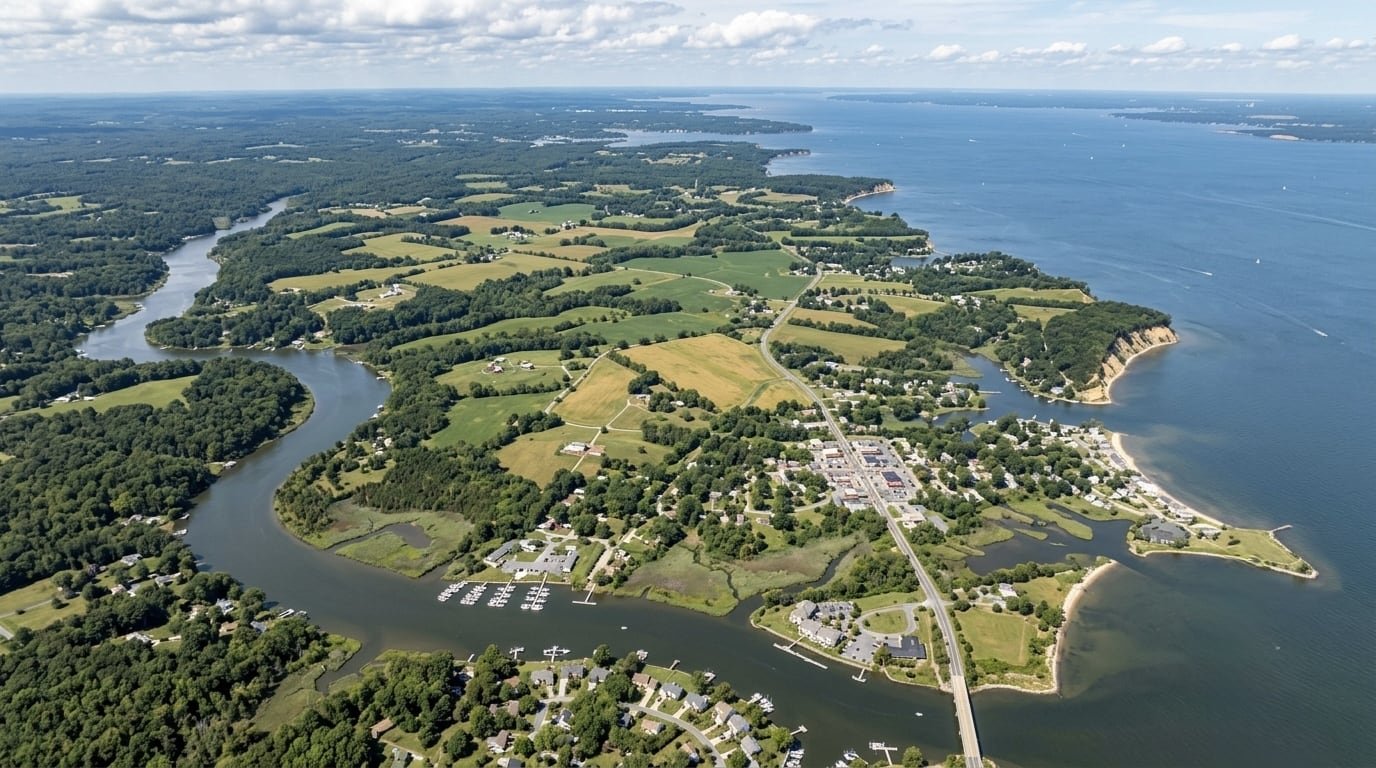
If you’ve ever said, “I love the idea of Calvert County, but be honest—how bad is the commute?”, you’re asking the right question. The water views and quieter neighborhoods are great, but you still have a job to get to in D.C., at Andrews, or somewhere in Northern Virginia.
Most of my Calvert County buyers are trying to solve the same puzzle: “Where can I live that gives me the Southern Maryland lifestyle without making every workday feel like a marathon drive?” The good news is, plenty of people make this commute work. The key is knowing your routes, timing, and which parts of Calvert make the most sense for your situation.
I’m Amanda Holmes, your Southern Maryland real estate guide, and I regularly help clients in Calvert, St. Mary’s, and Charles Counties weigh commute realities before they sign on a house. Let’s walk through the big picture.
If you're still deciding which Southern Maryland county fits your move overall, my PCS to Southern Maryland guide walks through the bigger decision first.
The Big Picture: What to Expect From a Calvert County Commute
Calvert County is essentially a peninsula along the Chesapeake Bay, so most commuters head north or northwest to reach major job centers. Depending on where you live and where you work, you’ll likely rely on:
- Main north–south routes through Calvert
- Connecting roads into Prince George’s County, Charles County, and the D.C. metro area
- A mix of driving, park‑and‑ride options, or transit connections, if that fits your routine
In general, the farther north you live in Calvert, the shorter your commute window—but the trade‑off is often price and lot size. Farther south, you gain more of that Bay and small‑town feel, with longer drive times.
Commutes From Calvert County to Washington, D.C.
If you’re heading into D.C., your commute from Calvert will usually involve:
- Driving north through Calvert County
- Connecting into larger road networks as you move toward Prince George’s County and the Beltway
- Choosing whether to drive all the way into the city or transition to Metro or other transit options along the way
Some commuters drive straight in, especially if their schedule allows them to leave early and avoid the worst of rush hour. Others choose a hybrid approach: drive to a Metro station or park‑and‑ride, then ride the rest of the way in so they’re not fighting downtown traffic and parking every day.
Commutes to Joint Base Andrews
For those heading to Joint Base Andrews, the commute from Calvert County can be a bit more manageable than going all the way into downtown D.C., especially from North or Central Calvert. In everyday terms, this usually means:
- Driving north out of Calvert along your main route
- Cutting over toward the base via connecting roads in Prince George’s County
- Adjusting your departure time to ease the heaviest traffic
If you’re Andrews‑bound and torn between Calvert, St. Mary’s, and Charles Counties, we’ll map out actual drive times from each so you can see which location gives you the best combination of lifestyle and commute.
Commutes to Northern Virginia
Northern Virginia commuters from Calvert have a few more moving parts. Your options often include:
- Driving through the D.C. area or around the Beltway to reach job centers in Arlington, Alexandria, or beyond
- Using park‑and‑ride lots or Metro access points to avoid driving the entire route in heavy traffic
- Combining flexible work hours or hybrid schedules with strategic route planning
If your job is in Northern Virginia, location within Calvert matters even more. North Calvert can make the daily drive more realistic, while South Calvert is usually better suited for people with more flexibility in their schedule or hybrid work setups.
How North, Central, and South Calvert Change the Commute
When we talk about commute from Calvert County, we’re really talking about three different starting points:
- North Calvert (Dunkirk, Owings, Chesapeake Beach, North Beach): Shortest path to D.C. and Northern Virginia, popular with full‑time commuters.
- Central Calvert (Prince Frederick, Huntingtown): A middle ground that works for people splitting time between commuting north and spending time in St. Mary’s or Charles Counties.
- South Calvert (St. Leonard, Lusby, Solomons): Best for those who prioritize Bay and river living or have ties to St. Mary’s County, but still travel north regularly.
There’s no “right” answer—just different balances of commute time vs. lifestyle benefits.
Real‑World Strategies Calvert Commuters Use
The people I work with who are happiest with their Calvert commute are usually the ones who plan it intentionally. Common strategies include:
- Shifting work hours: Starting earlier or later than the standard 9–5 to dodge the worst traffic.
- Hybrid or remote work: Building in a few work‑from‑home days if your job allows it, so you’re not driving five days a week.
- Park‑and‑ride or transit combos: Driving partway, then switching to bus or rail to avoid the stress of downtown driving and parking.
- Choosing a home based on commute reality, not just listing photos: When we tour homes, we always talk about what Tuesday at 6:30 a.m. will feel like from that driveway.
You don’t have to love driving—but you should feel like the trade‑off is worth the lifestyle you’re getting in Calvert County.
How Calvert Commutes Compare With St. Mary’s and Charles Counties
When you widen the lens to all of Southern Maryland, here’s how the commute conversation usually plays out:
- Calvert County: Strong Bay and river identity, with North Calvert offering some of the more manageable commutes to D.C. and Andrews for people who still want a Southern Maryland feel.
- St. Mary’s County: Great for NAS Pax River and those who want more rural or waterfront options farther south, but generally longer commutes to D.C. and Northern Virginia.
- Charles County: Often offers shorter commute distances north, with more large retail areas and major corridors, but less direct Bay access.
When I work with clients, we often compare actual drive times and lifestyles across all three counties before they make a final decision.
People Also Ask
1. Is it realistic to live in Calvert County and commute to D.C. every day?
Many people do it, especially from North Calvert, but it requires planning. If you have some flexibility in hours or can work remotely part‑time, it’s more sustainable. If you’re locked into strict in‑office hours downtown, we’ll talk honestly about what that will feel like long‑term.
2. Which part of Calvert County is best for commuters to Andrews or D.C.?
North Calvert typically works best for full‑time commuters to Andrews and D.C., simply because of the starting point. Central Calvert can still work, especially with flexible hours, while South Calvert tends to suit those who commute less frequently or have more hybrid schedules.
3. How bad is traffic from Calvert County during rush hour?
“Bad” is subjective, but like most of the D.C. region, peak times are busy. Your experience will depend heavily on when you leave and where you’re going. That’s why I always suggest a test run of your likely route during your actual commute window before you commit to a specific area.
4. Are there commuter buses or park‑and‑ride options from Calvert County?
There are regional commuter options that many residents use to connect into job centers. Pairing a drive with bus or rail can make the commute feel more predictable and less draining than driving every mile yourself every day.
5. Should commute be my top priority when choosing a home in Calvert County?
It should be one of your top priorities, along with budget and lifestyle. Some buyers prioritize the shortest possible commute, while others are willing to drive longer for water access, larger lots, or a quieter setting. My job is to help you see the trade‑offs clearly so you can choose what matters most.
Want Help Balancing Commute and Lifestyle in Calvert?
If you’re trying to decide whether Calvert County makes sense for your commute—to D.C., Andrews, Northern Virginia, or even across Southern Maryland—you don’t have to figure it out alone. I’m Amanda Holmes, working with buyers and sellers across Calvert, St. Mary’s, and Charles Counties, plus the rest of Maryland and Virginia.
We can put real addresses into real routes, walk through neighborhoods that fit your budget, and find that spot where your work life and home life both feel doable. When you’re ready, reach out and we’ll start mapping your commute and your next home at the same time.