
Waterfront & Rural Living in Southern Maryland: Buyer's Guide
"Is waterfront in Southern Maryland actually affordable — and what do I need to know before I buy one?"
That question comes in two flavors. The first is from someone who grew up dreaming of a dock and wants to know if it's realistic on their budget. The second is from someone who didn't know they wanted waterfront until they drove past the Chesapeake and suddenly couldn't stop thinking about it.
Either way, Southern Maryland is one of the few places in the country where waterfront and water-access living is still achievable at a range of price points — if you understand what you're actually buying. In this guide, I'll walk you through what waterfront living looks like here in 2026: the different types of water access, what they actually cost, what due diligence matters most, and how this plays out differently across St. Mary's, Calvert, and Charles Counties.
Direct Answer: What Does Waterfront Living Look Like in Southern Maryland?
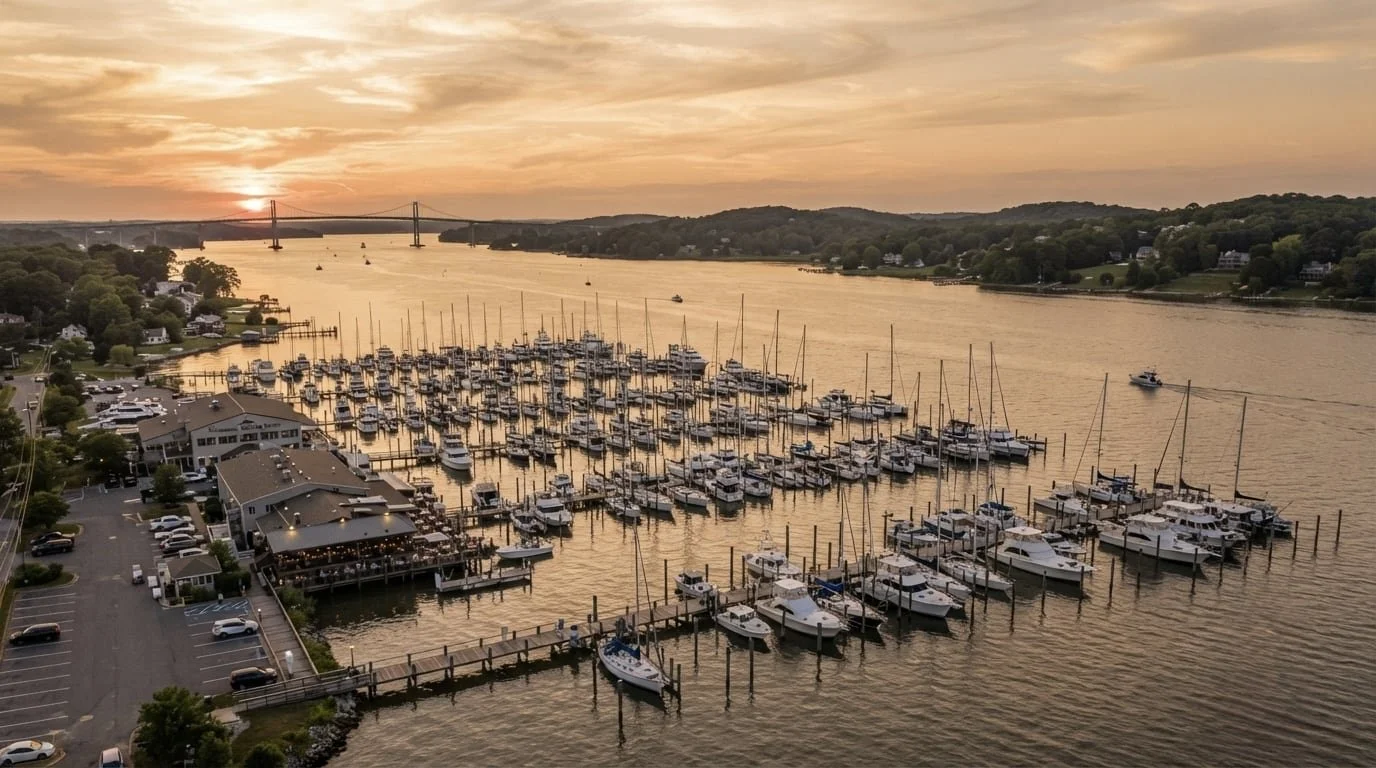
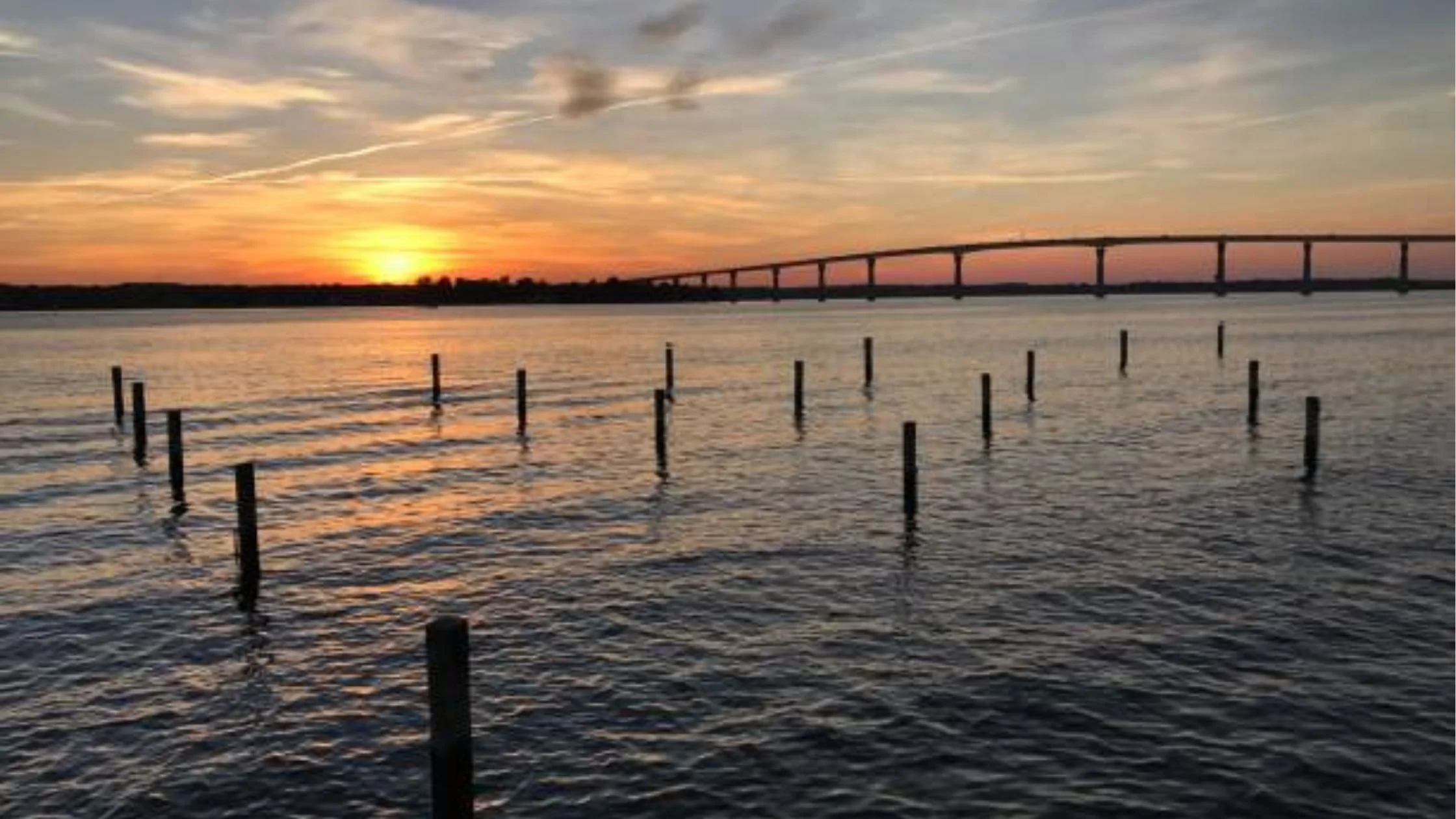
Southern Maryland sits between the Chesapeake Bay, the Patuxent River, the Potomac River, and dozens of smaller creeks and coves — which means "waterfront" here isn't one thing. You can buy a home directly on the Bay with deep-water access, a home on a tidal creek with a small pier, or a home in a community where you share a beach and boat ramp with your neighbors.
The type of water access you choose will shape your price, your insurance, your maintenance responsibilities, and your day-to-day lifestyle. The buyers who are happiest are the ones who get clear on what they actually want to do on or near the water before they start making offers.
What "Waterfront" Actually Means in Southern Maryland
One of the most important conversations I have with waterfront buyers early on is clarifying what kind of water access they actually want — because the word "waterfront" gets used loosely.
True Waterfront
You own property that directly touches a body of water — the Bay, the Patuxent, the Potomac, or a tidal creek.
This means:
Your own shoreline, which may include a pier, dock, bulkhead, or natural beach
Direct water access from your backyard
The highest price premium in the Southern Maryland market
The most due diligence — shoreline condition, erosion, flood risk, pier permits, and insurance
Water-Access Communities
You live in a neighborhood where the community — not you individually — owns and maintains shared waterfront amenities.
This typically includes:
A community pier, boat ramp, or beach
Access to launch kayaks, canoes, or small boats
Bay or river views from common areas, though not always from your specific home
A lower purchase price than direct waterfront, often with HOA fees that cover maintenance
Water-View Properties
You can see the water — or a sliver of it — from your home or lot, but you don't have direct access.
Often priced at a premium over comparable inland homes, but less than true waterfront
Great for buyers who want the visual appeal without the maintenance and insurance complexity
Worth understanding exactly what you're paying for and whether the view is protected or could change
Inland Near Water
You're a short drive from a public boat ramp, marina, or beach — but your property doesn't touch or overlook water.
Lifestyle access without the price tag
Still very much part of "Southern Maryland waterfront culture"
Good option for buyers who want to boat and spend time on the water without paying for a private shoreline
Why Southern Maryland Is a Waterfront Buyer's Market Worth Understanding
Southern Maryland has more miles of shoreline than almost any comparably priced region in the country. You're looking at:
The western shore of the Chesapeake Bay running through Calvert County
The Patuxent River forming the eastern border of Calvert and running through St. Mary's
The Potomac River along the western edge of St. Mary's and Charles Counties
Dozens of tributaries, coves, and creeks throughout all three counties
That geographic reality means waterfront here comes in a huge range of configurations — and a huge range of prices. A deep-water Bay front property in a sought-after part of Calvert County will be priced very differently than a Potomac-adjacent home on a quiet cove in St. Mary's County, even if both technically qualify as "waterfront."
Types of Water and What They Mean for Buyers
Not all water is equal — and in Southern Maryland, the specific body of water matters quite a bit.
Chesapeake Bay
Largest and most sought-after body of water in the region
True Bay-front properties command the highest prices in Calvert County and parts of St. Mary's
Open water, significant fetch (wind and wave exposure), and more erosion risk on unprotected shorelines
Deep-water access possible in many locations — important for larger boats
To learn more about waterfront living on the Chesapeake Bay, check out this post.
Patuxent River
Runs along the Calvert/St. Mary's border and through St. Mary's County
Wide in some stretches with good boating; narrower and shallower in others
Generally lower prices than Bay-front for similar square footage
Strong fishing and recreational boating culture
Potomac River
Borders St. Mary's and Charles Counties to the west
Large, open water with views across to Virginia
Less inventory than the Bay side, but strong options for buyers who prioritize the Potomac lifestyle
Commercial and recreational traffic — something to factor in if you're on a pier
Tidal Creeks and Coves
Scattered throughout all three counties
Often the entry point into waterfront ownership at a more accessible price
Depth varies significantly — crucial to understand if you have or want a boat
Can offer more protected, calm water and a more private feel
For a named community short list, see Popular Water-Oriented Communities in St. Mary's, Calvert, and Charles Counties.
What Waterfront Really Costs in Southern Maryland
Purchase Price Premium
Waterfront adds a premium over comparable inland homes, and that premium varies based on:
Body of water (Bay > River > Creek, generally)
Water depth and navigability
Quality and condition of existing water structures (pier, bulkhead, boat lift)
Shoreline stability and erosion history
Views and orientation
Water-access communities are significantly more affordable than true waterfront while still delivering much of the lifestyle.
Ongoing Costs to Plan For
Flood insurance: If your home is in a FEMA flood zone — and many waterfront properties in Southern Maryland are — flood insurance is typically required by lenders and is a real cost to factor into your monthly budget. Rates vary based on your flood zone, elevation certificate, and structure.
Homeowner's insurance: Standard policies often have specific provisions for waterfront properties, particularly regarding wind, storm surge, and pier coverage. Some carriers exclude or limit coverage in certain waterfront scenarios.
Pier and bulkhead maintenance: If you have a pier or bulkhead, plan for regular maintenance and eventual replacement. Bulkheads have lifespans, and repairs can be significant — especially after major storms.
Erosion management: Depending on your shoreline and exposure, erosion can be a slow, manageable issue or a meaningful ongoing cost. Maryland has specific regulations around shoreline management, rip-rap, and living shoreline approaches.
For a deeper look at insurance and maintenance specifics, read my post on waterfront home maintenance and insurance considerations in Southern Maryland.
Riparian Rights: What They Are and Why They Matter
Riparian rights are the property rights that come with owning land adjacent to a body of water. In Maryland, these rights govern what you can build on or adjacent to the water, how far your ownership extends, and what you can do with tidal versus non-tidal shoreline. For buyers, this matters most when evaluating whether an existing dock is permitted, whether you could add a pier if one doesn't exist, and whether any restrictions — from Maryland's Critical Area program, local zoning, or HOA covenants — limit what's possible.
I routinely flag riparian rights and Critical Area compliance early in waterfront transactions because these aren't obscure issues — they directly affect what a property can do for you.
Why Waterfront Appraisals Are More Complex
Waterfront properties are harder to appraise than standard residential homes because comparable sales are fewer, the waterfront features themselves carry variable value depending on type and quality, and the appraiser's adjustment methodology for items like pier condition, water depth, and lot orientation is less standardized than for a non-waterfront comp. This means there's more variability in appraised values, and more potential for an appraisal to come in below purchase price.
Working with a lender who has waterfront appraisal experience in Southern Maryland — and understanding going in that this is a risk to plan for — is part of a well-structured waterfront offer. For the broader cost picture, see Southern Maryland Home Financing Costs: 2026 Guide.
The Due Diligence That Waterfront Buyers Skip (and Shouldn't)
Flood Zone and Elevation
Always pull the FEMA flood map for any property you're seriously considering. Understand which flood zone it's in and request an elevation certificate if one exists. This directly affects your flood insurance cost.
Pier and Dock Condition
A pier can be charming in listing photos and a liability on closer inspection. Have it evaluated by a qualified inspector or marine contractor. Look at:
Structural condition of pilings, decking, and supports
Any permits on file (Maryland requires permits for piers and modifications)
Water depth at the end of the pier at mean low water — critical if you have a boat
The boat lover’s guide to waterfront living in Southern Maryland talks more about this.
Bulkhead and Shoreline
If there's a bulkhead, understand its age and condition. Replacement costs can be substantial. If there's no bulkhead, understand the erosion history and what the shoreline stabilization options are under Maryland's current regulations.
Well and Septic (Rural Waterfront)
Many waterfront properties in Southern Maryland are on well and septic rather than public utilities. Get both inspected and tested — water quality near tidal areas can be a concern, and older septic systems may be approaching end of life.
Boating, Marinas, and Water Recreation in Southern Maryland
Southern Maryland has a strong boating culture, and infrastructure to support it.
Marinas and Boat Slips
If you don't have your own pier, or want a second slip closer to open water, there are marinas throughout all three counties. Slip availability and cost vary, and in popular areas, waitlists exist.
For a full guide to slips, ramps, and marina options throughout the region, see my Southern Maryland boat lovers' guide to slips, ramps, and marinas.
Public Boat Ramps
Maryland maintains public boat ramps throughout the region — useful for trailered boats and for buyers who want water access without the cost of a private pier or marina slip.
Water Recreation Beyond Boating
Southern Maryland waterfront life isn't just about powerboats. Kayaking, paddleboarding, fishing, crabbing, and swimming are all part of the culture here. Water-access communities often have amenities that support all of these, sometimes at a much lower price point than true waterfront ownership.
Local Nuance: Waterfront Across St. Mary's, Calvert, and Charles
Waterfront Living in Calvert County
Primary water: Chesapeake Bay (west shore) and Patuxent River (east side)
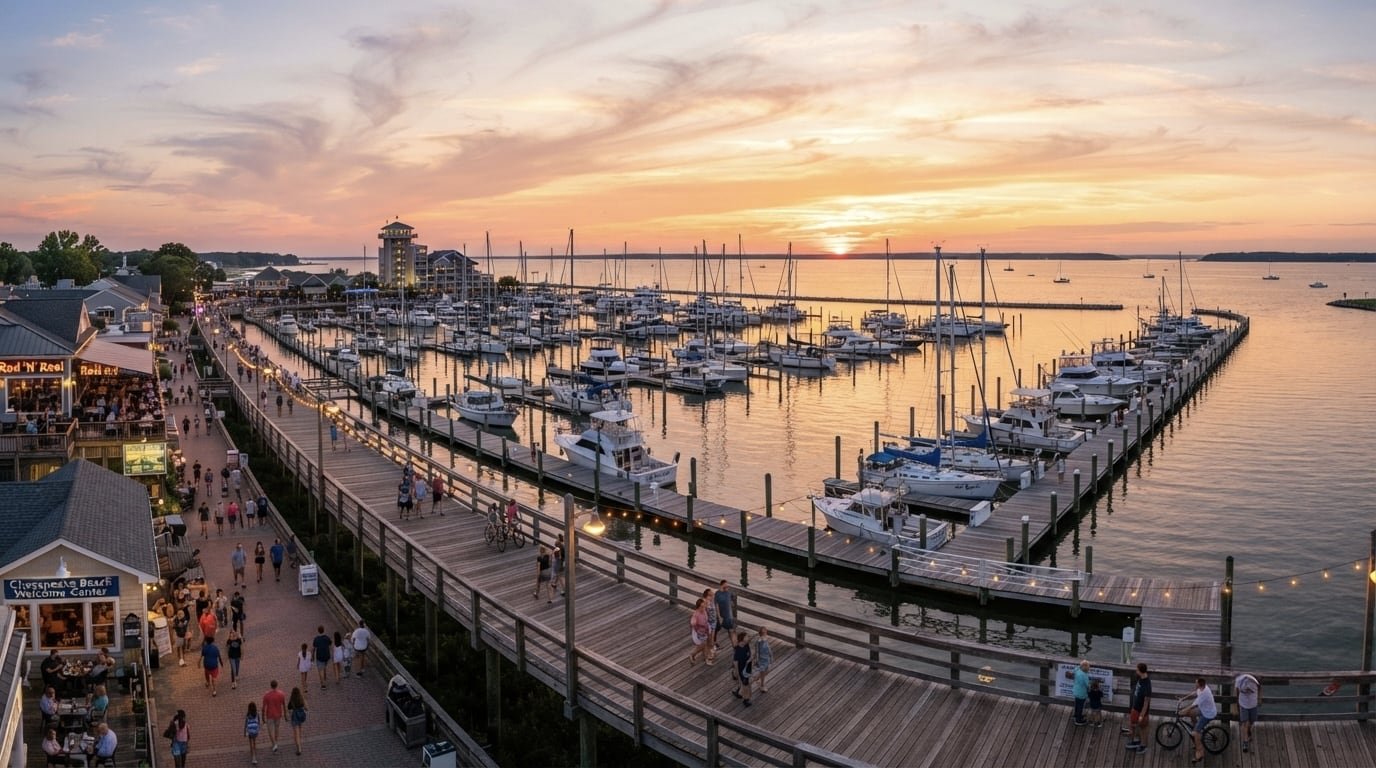
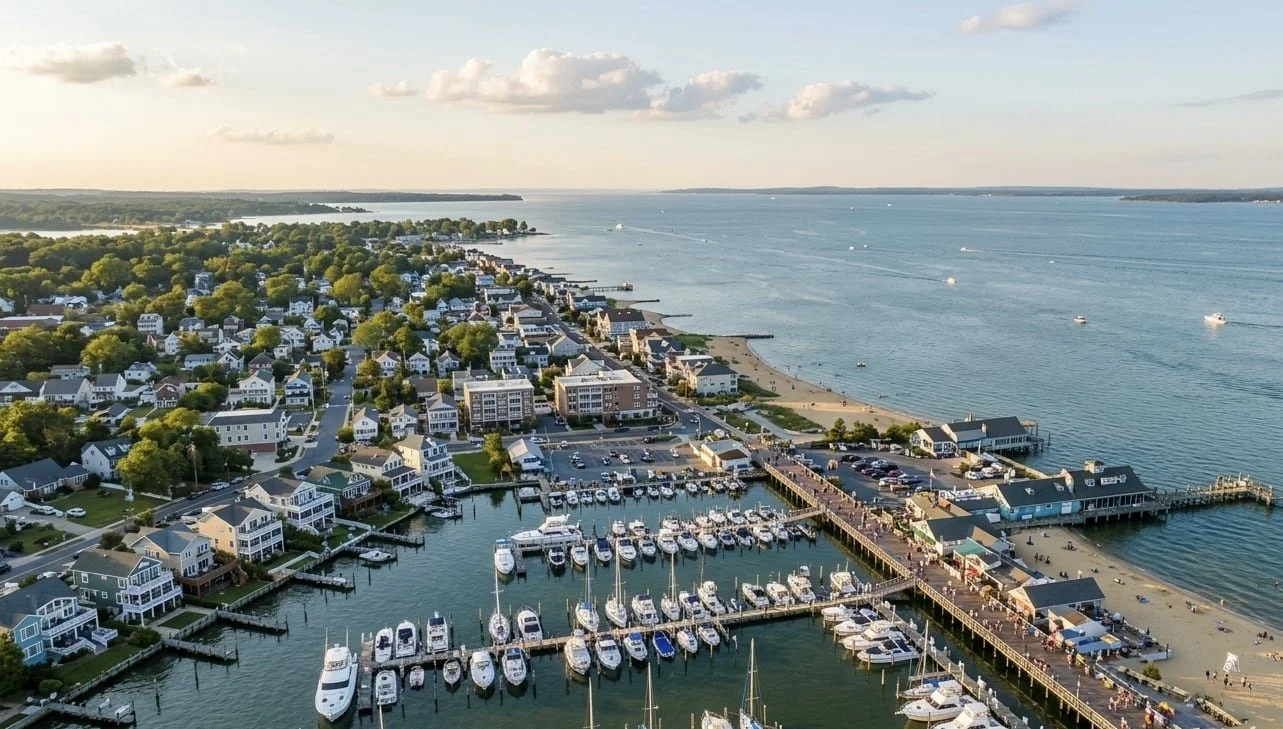
Character: Bay-front towns like Chesapeake Beach and North Beach anchor the northern end; quieter communities stretch south toward Solomons
Price range: Among the highest in Southern Maryland for true Bay-front; more moderate for water-access communities inland or on the Patuxent side
Buyer profile: Mix of commuters who want Bay life with D.C. access, retirees, and long-time locals
Key consideration: Calvert's Bay shoreline can have significant erosion exposure — shoreline condition and bulkhead status are important in the due diligence conversation
For more on buying specifically in Calvert County's waterfront communities, read my guide to waterfront homes in Calvert County: piers, erosion, and insurance basics.
Waterfront Living in St. Mary's County
Primary water: Patuxent River, Potomac River, St. Mary's River, and numerous tidal creeks
Character: More rural and spread-out than Calvert's Bay communities; strong boating and crabbing culture; mix of developed waterfront neighborhoods and private, secluded parcels
Price range: Often more accessible than comparable Calvert Bay-front; wide range depending on body of water and condition
Buyer profile: Military and contractor community from Pax River, lifestyle buyers, and those relocating for water access at a more reachable price point
Key consideration: Depth and navigability vary significantly by creek and cove — if you have a boat, water depth at low tide is a non-negotiable conversation
For St. Mary's specifically, my guide to waterfront living in St. Mary's County goes deeper on neighborhoods, access, and what buyers should know.
Waterfront Living in Charles County
Primary water: Potomac River (western shore), Indian Head area, Nanjemoy Creek
Character: Less inventory than Calvert or St. Mary's for waterfront; Potomac-front properties offer expansive views across to Virginia
Price range: Can offer relative value compared to Bay-front Calvert for buyers open to the Potomac corridor
Buyer profile: Commuters who want water access without going as far south, buyers specifically drawn to the Potomac lifestyle
Key consideration: Charles County waterfront inventory is more limited, so when good properties come up, they tend to move
For the full picture on buying in each county regardless of water access, see my guide to buying a home in Southern Maryland."
Common Mistakes Waterfront Buyers Make in Southern Maryland
1. Falling for "waterfront" marketing without confirming water depth.
A pier on six inches of water at low tide is not the same as a pier on six feet. If you have a boat, get the exact depth confirmed before you fall in love with a property.
2. Underestimating insurance costs.
Flood insurance and waterfront-specific homeowner's coverage can add meaningfully to your monthly cost. Get an insurance quote early in the process — before you're emotionally attached to a specific house.
3. Not having the pier and bulkhead professionally evaluated.
A general home inspector is not the right person to assess a pier or bulkhead. Hire someone who specifically evaluates marine structures. It's worth the extra inspection fee.
4. Ignoring the flood zone until the last minute.
Flood zone designation should be one of the first things you check on any waterfront or water-adjacent property — not something you discover at the appraisal stage.
5. Assuming water-access is the same as waterfront.
A community boat ramp two streets away is a different lifestyle than a private pier. Both are valid — but be clear on exactly what you're buying and whether it matches what you pictured.
People Also Ask: Waterfront Homes in Southern Maryland
How much more does a waterfront home cost in Southern Maryland compared to inland?
The premium varies widely depending on the body of water, water depth, shoreline condition, and existing structures. True Bay-front properties in Calvert County typically carry the highest premiums. Water-access community homes sit between inland and direct waterfront in price. The best way to understand the specific premium in your target area and price range is to look at recent comparable sales side by side.
Do I need flood insurance for a waterfront home in Southern Maryland?
Most waterfront and many water-adjacent properties in Southern Maryland fall within FEMA flood zones, and lenders typically require flood insurance for those properties. Even if it's not required, it's wise to carry it. Costs vary based on flood zone, elevation, and structure — get a quote early in your search so it's built into your budget math.
Is it hard to get homeowner's insurance on a waterfront home in Southern Maryland?
It can require more shopping than a standard inland home. Some carriers have specific exclusions or limitations for waterfront properties, particularly regarding wind and water damage. Working with a broker who has experience insuring waterfront properties in Maryland is worth the extra step.
What's the difference between waterfront and water-access in Southern Maryland?
Waterfront means your property directly touches a body of water — you own the shoreline. Water-access means you're in a community that has shared amenities (pier, ramp, beach) that give you access to the water without owning the shoreline yourself. Water-access is typically more affordable and less maintenance-intensive, but you're sharing those amenities with your neighbors.
Are there good waterfront options in Southern Maryland under a certain price point?
Yes — particularly in St. Mary's County on tidal creeks and the Patuxent River, and in water-access communities throughout all three counties. The entry point for true waterfront varies, but water-access communities can offer genuine water lifestyle at much more accessible prices. When we talk, I can show you what's realistic in your budget across the different types of water access.
What should I inspect on a waterfront property that I wouldn't inspect on a regular home?
In addition to a standard home inspection, waterfront properties typically warrant: a pier and dock inspection by a marine contractor, a bulkhead or shoreline evaluation, a flood zone review and elevation certificate check, water quality testing if on a well, and a septic inspection if not on public sewer. I walk buyers through which of these apply to each specific property.
Can I build or expand a pier on a Southern Maryland waterfront property?
Piers and waterfront structures in Maryland are regulated and require permits through the Maryland Department of the Environment and, in some cases, the Army Corps of Engineers. What's permittable depends on your specific waterfront location, water depth, and existing structures. This is worth researching before you buy if expanding water access is part of your plan.
Ready to Talk Through Waterfront Living in Southern Maryland?
Waterfront real estate in Southern Maryland has more nuance than most buyers expect going in — and more opportunity than most buyers realize until they start looking seriously. The right type of water access, on the right body of water, at the right price point, with eyes-open due diligence is what turns a waterfront dream into something that actually works for your life.
If waterfront is part of a broader move to Southern Maryland, my complete buyer's guide walks through the full process including budget, financing, and neighborhoods.
I'm a Southern Maryland real estate agent who works with waterfront buyers and sellers across St. Mary's, Calvert, and Charles Counties, as well as throughout Maryland, D.C., and Virginia. If you're trying to figure out which type of water access fits your budget, your lifestyle, and your risk tolerance, I'd be glad to walk through that with you.
When you're ready, reach out and we can look at what's available, what the realistic costs are, and what due diligence matters most for the specific type of waterfront property you're after.