
Living in Southern Maryland: An Honest Guide for Buyers and Relocating Families
"What's Southern Maryland actually like to live in — not the real estate pitch version, the real version?"
Living in Southern Maryland: An Honest 2026 Guide for Buyers and Relocating Families.
I’m Amanda Holmes, a local Southern Maryland REALTOR®, and I get some version of that question at least once a week. It’s the right question to ask before you uproot your life, sign a 30‑year mortgage, and discover that the nearest Trader Joe’s is 45 minutes away.
So let me give you the honest, local answer — broken down by county, lifestyle trade‑offs, common misconceptions, and everything in between. This is what living in Southern Maryland actually looks like in 2026, whether you’re already here or thinking about moving to Southern Maryland from somewhere else.
In this guide to living in Southern Maryland, you’ll also find:
– Links to current Southern Maryland home prices and market trends
– A breakdown of housing options (waterfront, townhomes, rural properties)
– Guidance on typical closing costs for buyers in Southern Maryland
– Resources for first‑time buyers, PCS/military moves, and relocations
The Short Answer: What Living in Southern Maryland Really Feels Like
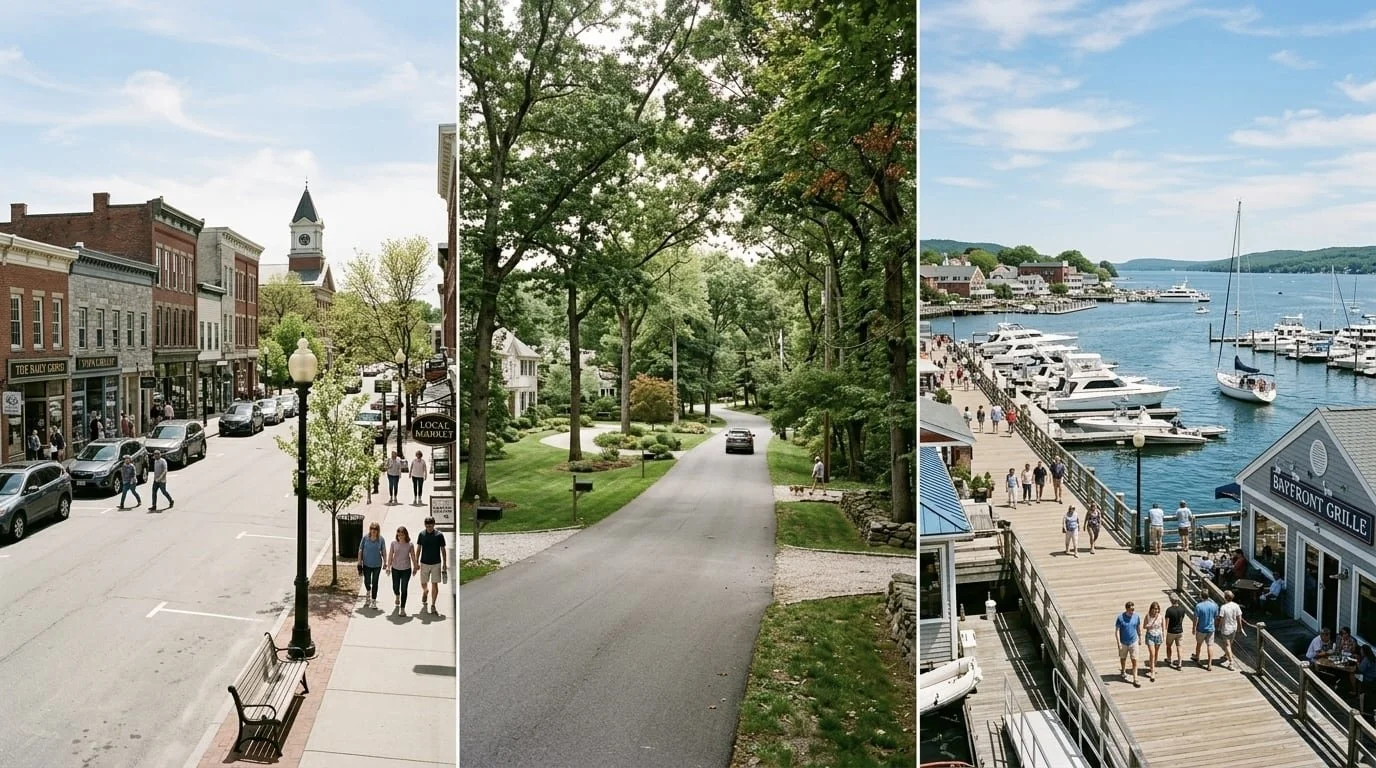
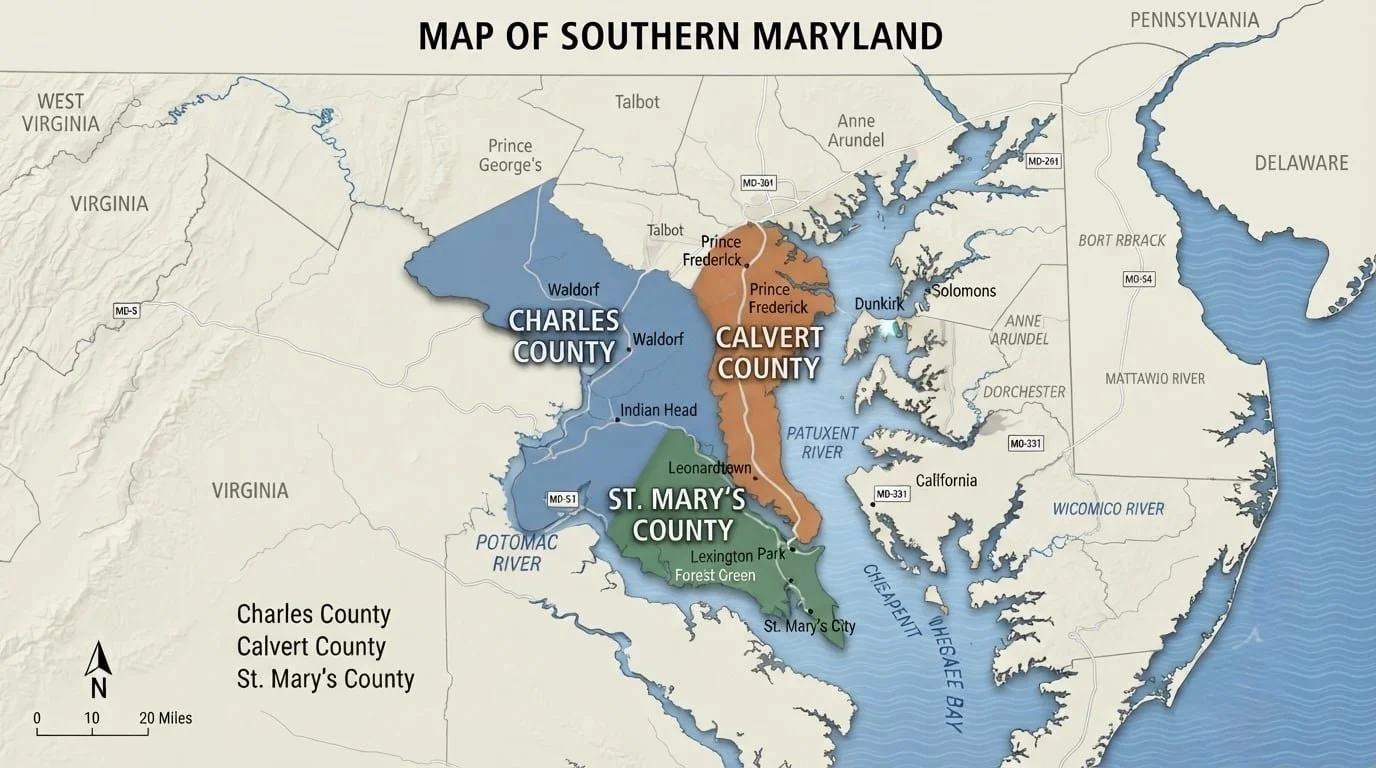
Southern Maryland — St. Mary’s County, Calvert County, and Charles County — offers a genuinely slower pace of life, more space for your money, and a strong sense of local identity. It is not a dense suburb. It is not urban‑adjacent. It is rural, water‑adjacent, and intentional.
Most residents drive everywhere. Most mornings are quiet. Most evenings involve a porch, a river view, youth sports, or a backyard fire pit rather than a nightlife scene. If that sounds like relief, Southern Maryland may be exactly what you’re looking for. If that sounds like isolation, that’s worth knowing before you commit.
If you are trying to put the region on a map before choosing where to focus, my Cities and Towns in Southern Maryland directory breaks down the communities buyers ask about most.
The Daily Rhythm of Life in Southern Maryland
Mornings
Mornings here tend to start early, especially if you commute. If you work in Washington, D.C., Northern Virginia, or the greater D.C. metro area, expect a commute of roughly 60 to 90+ minutes depending on where you live and where you’re headed.
- Charles County (Waldorf, La Plata): shortest commute times to the D.C. corridor
For more information on commuting from Charles County, check out this post -Best Commute Routes From Charles County to D.C. and Northern Virginia
- Calvert County: in‑between option
- St. Mary’s County: furthest out; most residents there either work locally, remotely, or on base at Pax River NAS
Hybrid and remote work have genuinely changed the calculus for many buyers. People who only commute two or three days a week often find living in Southern Maryland dramatically more livable than they expected.
Errands and Daily Needs
The big‑box infrastructure is strongest in Waldorf — most chain retail, grocery options, restaurants, and services are there. Prince Frederick in Calvert County and Leonardtown in St. Mary’s County function as smaller town centers with growing retail and dining. Lexington Park near Patuxent River Naval Air Station has solid everyday services driven by the military community.
Specialty stores, boutique fitness, and upscale dining are thinner on the ground. Many residents supplement with day trips to Annapolis, D.C., or Northern Virginia a few times a month — or they simply adjust their expectations and find they don’t miss those things as much as they thought.
Evenings and Weekends
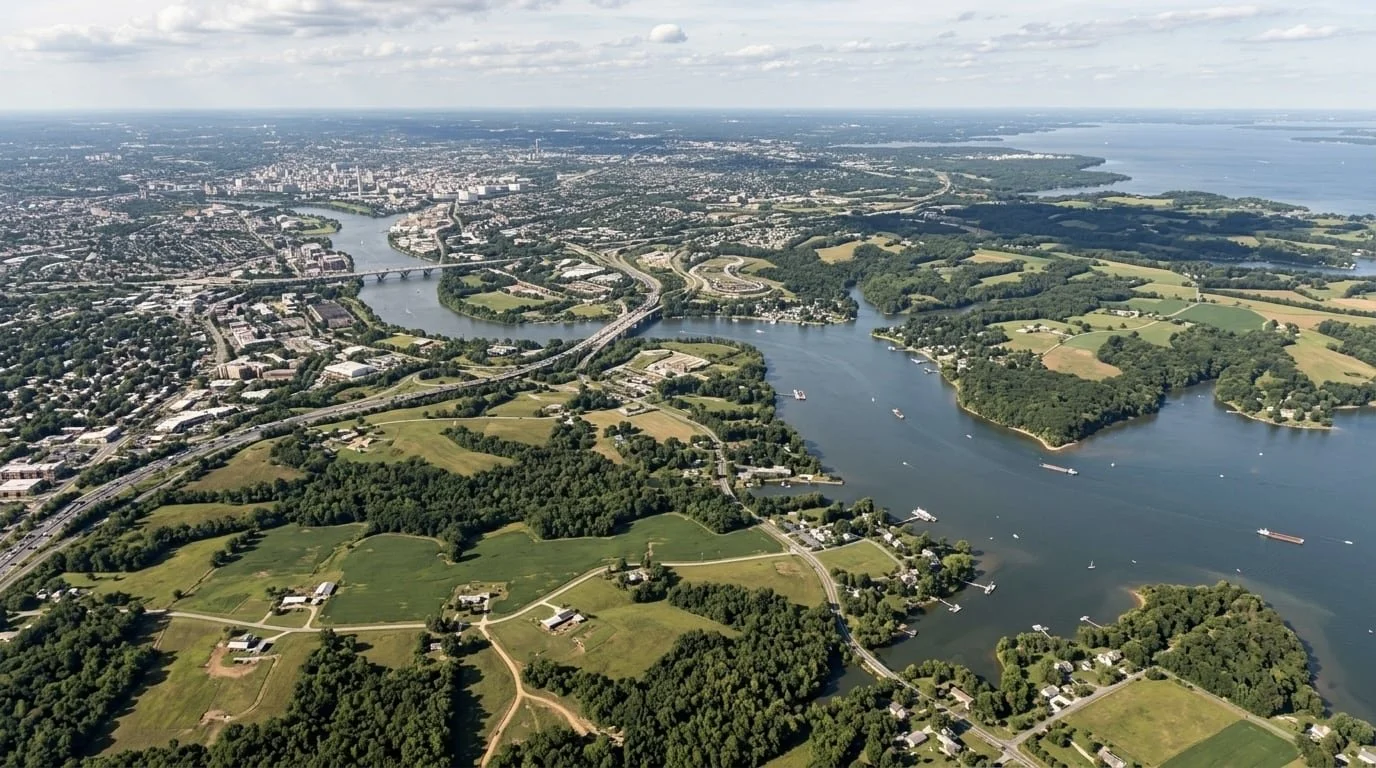
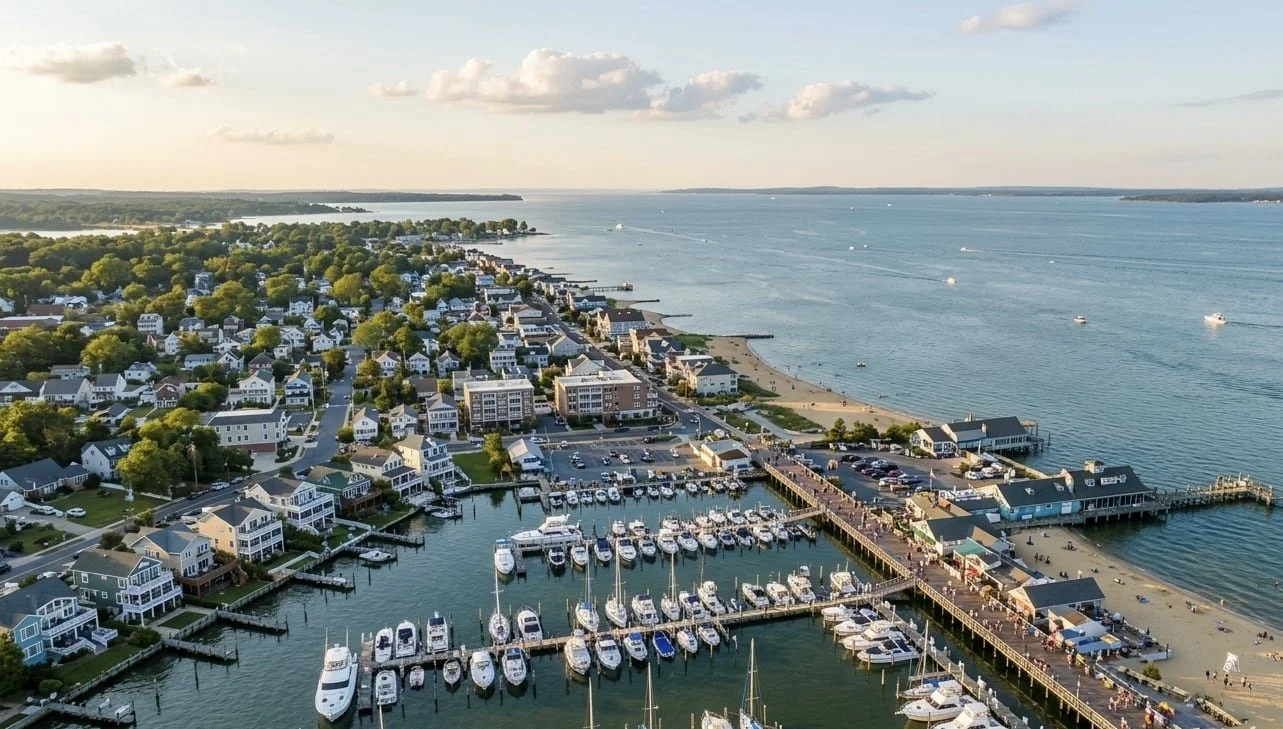
This is where Southern Maryland really shines. The Chesapeake Bay, the Patuxent River, and the Potomac River give residents genuine access to the water in a way that Northern Virginia and inner‑suburban Maryland simply don’t.
Boating, kayaking, fishing, and crabbing aren’t brochure activities here — they’re Tuesday evenings.
Weekends often revolve around local farms and farmers markets, state parks like Calvert Cliffs, waterfront restaurants, youth sports, and the kind of outdoor space that feels earned rather than manufactured. There’s a real culture of self‑sufficiency and outdoor living that runs through all three counties.
How Life Differs Across Charles, Calvert, and St. Mary’s Counties
If you want a deep dive into current inventory and pricing by county, that’s covered in separate market and pricing guides. From a day‑to‑day living standpoint, here’s how the three counties feel different.
Charles County — The Gateway
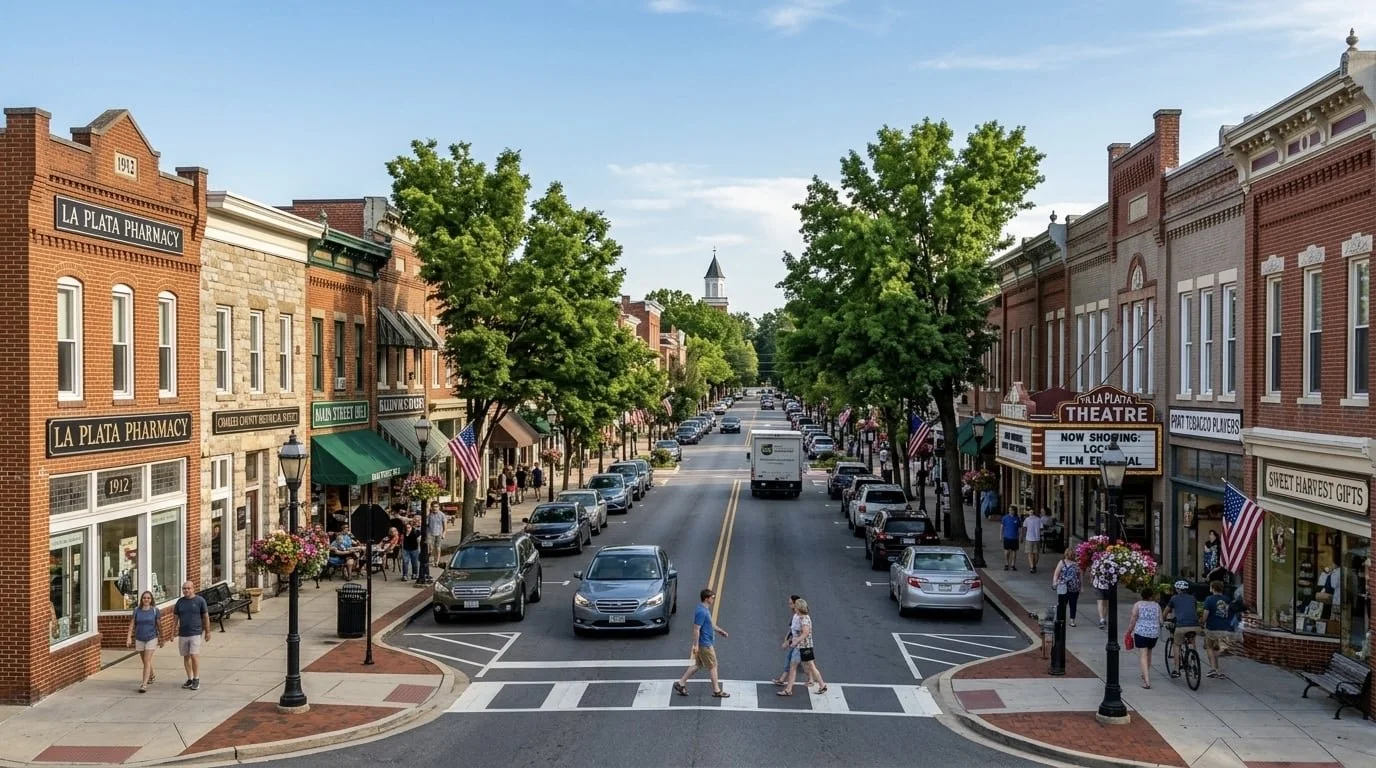
Charles County, anchored by Waldorf and La Plata, is the most suburban of the three. It has:
- The most retail and restaurant options
- The shortest drives to D.C. and Northern Virginia
- The most traffic, especially along Route 301 and Route 5 during peak hours
Home prices range broadly, with many entry‑level single‑family homes starting in the mid‑$300s and moving up through the $600s and beyond for newer construction in planned communities. If you want proximity to metro‑area jobs without paying metro‑area prices, Charles County is usually the starting point for that conversation. Property values here saw meaningful upward movement in the 2026 reassessment cycle, reflecting continued demand from D.C.‑area buyers.
Calvert County — The Balance
Calvert County sits between the suburban energy of Charles and the rural character of St. Mary’s. Prince Frederick is the commercial center, and towns like Dunkirk, Huntingtown, and Owings attract buyers who want established neighborhoods and water access without feeling too far removed from services.
Calvert has a narrow geographic footprint — essentially a peninsula — which keeps density low and community character intact. Home prices are competitive, typically running from the mid‑$300s to the upper $500s for most residential inventory, with waterfront properties pushing well above that. In my experience working with buyers here, Calvert tends to attract people who have already researched Southern Maryland and know they want a specific kind of quiet.
If you’re looking for more acreage, check out my post - How to Get More Land in Southern Maryland Without Wrecking Your Commute
St. Mary’s County — The Most Rural
St. Mary’s County, centered on Leonardtown and Lexington Park, has the most distinct identity of the three.
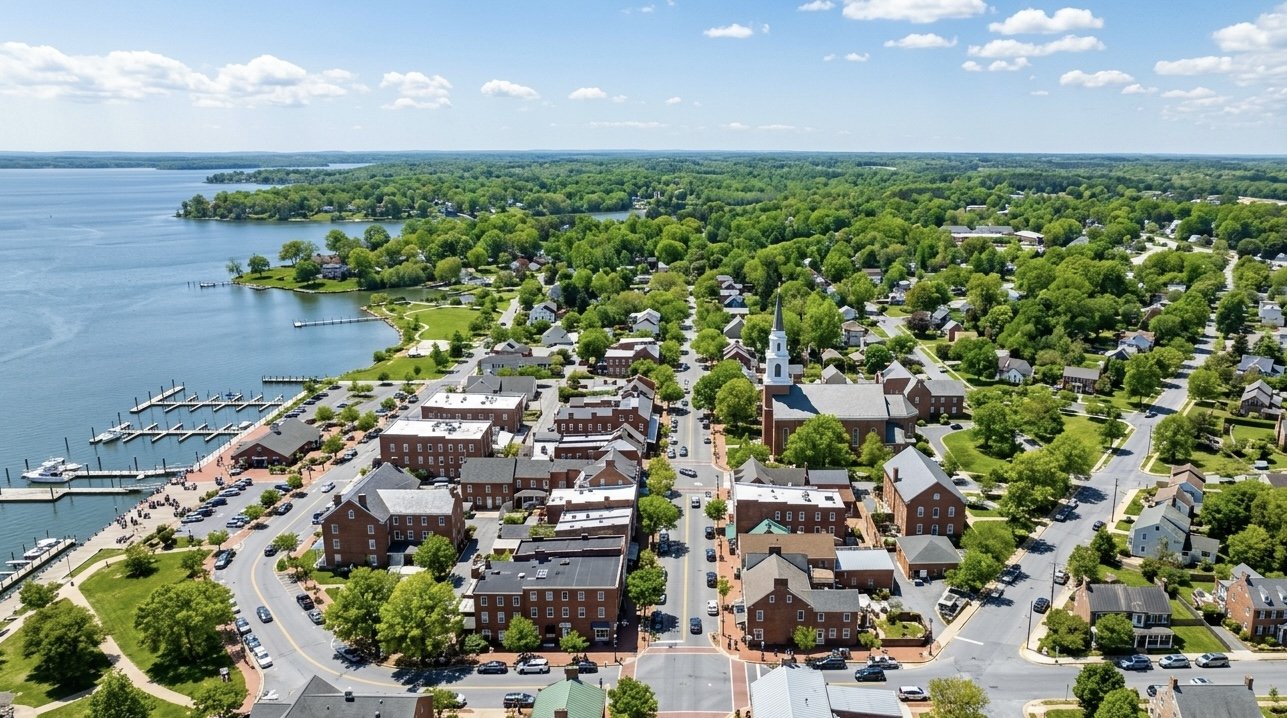
- Leonardtown’s historic town square is legitimately charming — small‑town America that doesn’t feel like a staged version of itself.
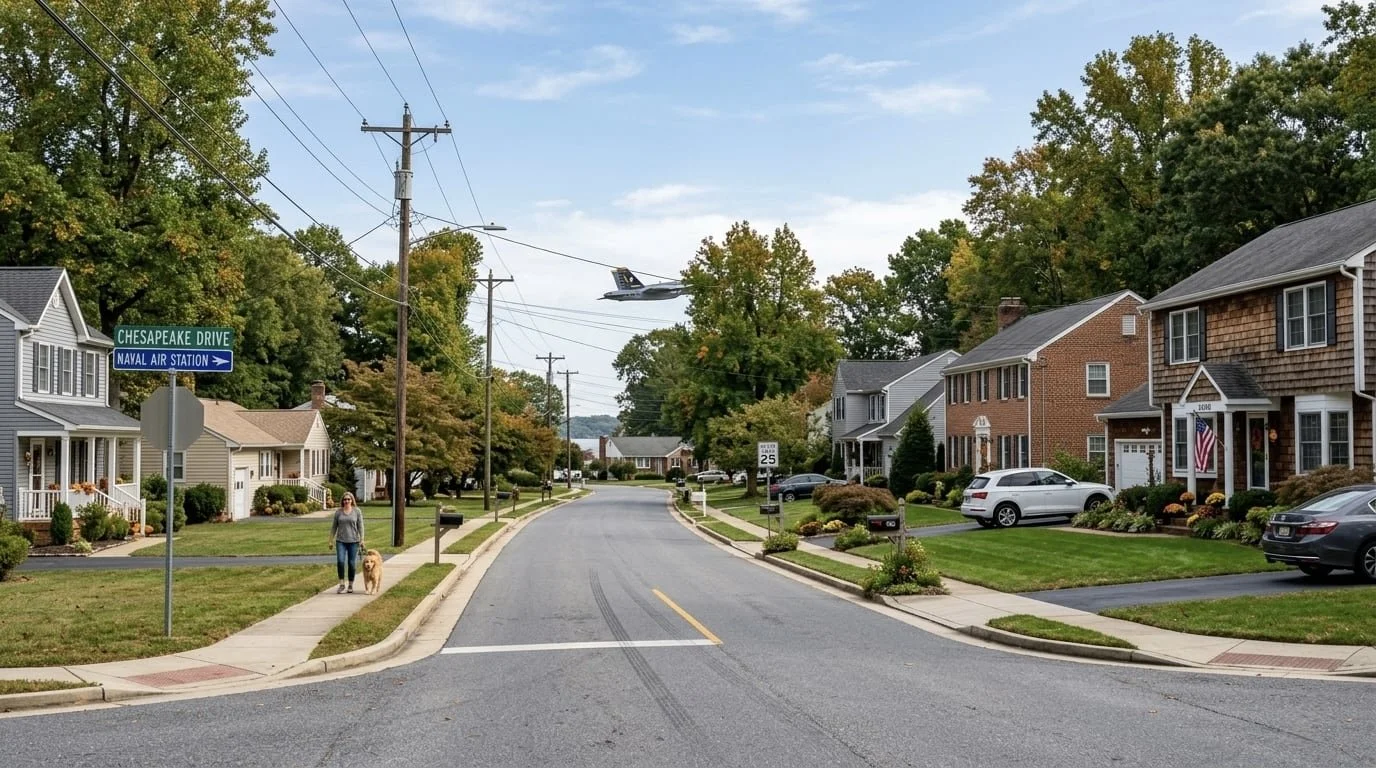
- Lexington Park is heavily influenced by Patuxent River Naval Air Station, which drives steady demand for rentals and homes from military families.
Life here is slower. Commutes to D.C. are long. But the payoff is space, water access, community events that actually feel local, and home prices that still offer real value — starting in the mid‑$200s for entry‑level homes and ranging up with waterfront access and acreage.
Common Misconceptions About Living in Southern Maryland
1. “It’s just a cheaper version of Northern Virginia.”
It isn’t. The lifestyle, culture, and community identity are genuinely different. Buyers who approach Southern Maryland as a discount suburb often end up frustrated. Buyers who approach it on its own terms tend to love it.
2. “The commute is manageable.”
It depends entirely on your situation.
- A hybrid worker doing two days in D.C. from La Plata? Often workable.
- A full‑time, in‑office schedule in Tysons from Leonardtown? That’s a hard daily grind.
Be honest with yourself about your actual schedule before choosing a county — this is the single conversation I have most often with buyers who are still on the fence about moving to Southern Maryland.
3. “There’s nothing to do.”
There’s plenty to do — it just doesn’t look like D.C. or Bethesda. Outdoor recreation, water access, local events, and community life are rich here. If your definition of “things to do” requires walkable nightlife, that’s a real mismatch. If it includes crabbing on the Patuxent, you’ll stay busy.
4. “All three counties are basically the same.”
They’re not. Charles, Calvert, and St. Mary’s have meaningfully different commute profiles, price points, community feels, and daily infrastructure. Treating them as interchangeable is one of the most common mistakes I see buyers make — and one of the most fixable ones once we’ve had an honest conversation about your priorities.
Here is a link for my no-fluff comparison of what it's actually like to live in Calvert County, Charles County, and St. Mary's County.
5. “Remote work makes location irrelevant.”
Remote work makes location more flexible, not irrelevant. Internet infrastructure, proximity to airports, and access to daily services still matter — and vary noticeably across the region.
People Also Ask: Southern Maryland Living
What is the cost of living like in Southern Maryland?
Overall, it’s lower than the D.C. metro area, with more space per dollar. Housing is the biggest advantage — a well‑maintained single‑family home with a yard often runs in the $300s–$400s in many parts of the region, depending on condition and location. Groceries, gas, and daily services are comparable to the broader Maryland average. Recent 2026 property reassessments pushed values up across all three counties, so buyers entering now are working with updated baselines.
Is Southern Maryland a good place to raise a family?
Many families choose Southern Maryland specifically for the combination of space, lower density, and access to outdoor activities. Each county has its own school districts with varying options and special programs. It’s worth researching specific schools and offerings based on your children’s needs before choosing a neighborhood.
For info on Southern Maryland communities that are great for families, you can find my guide here.
How long is the commute from Southern Maryland to Washington, D.C.?
It typically ranges from roughly 60 minutes from northern Charles County to 90 minutes or more from central St. Mary’s County, depending on traffic, time of day, and your D.C. destination. The commute is the most common reason people ultimately choose not to move here — and the most common thing people underestimate.
For more information on places to live in Maryland if you commute to DC, check my Maryland guide for DC commuters.
What is the housing market like in Southern Maryland in 2026?
The market remains competitive but more balanced than the frenzied pace of 2021–2023. Inventory is still relatively limited in desirable areas, and well‑priced homes in strong locations move quickly. Buyers are finding more negotiating room than a few years ago, but this is not a classic buyer’s market. If you want a current read on active listings and days on market by county, that’s something I track closely and am happy to walk through with you.
You can see current numbers in my Southern Maryland home price and market update.
Is Waldorf, MD a good place to live?
Waldorf is Charles County’s commercial and residential hub. It offers convenience, a wide range of services, and the shortest commutes to the D.C. area. It’s the most suburban part of Southern Maryland and suits buyers who prioritize accessibility. It’s also the most traffic‑dense part of the region — something worth experiencing firsthand during rush hour before you commit.
What’s the difference between living near Patuxent River NAS and other parts of Southern Maryland?
The Lexington Park area near Pax River has a strong rental market and steady buyer demand driven by military relocations. It’s more service‑rich than many other parts of St. Mary’s County and has a more transient population mix, which influences community character and resale dynamics.
Does Southern Maryland flood?
Flood zones exist throughout the region, particularly near waterfront and low‑lying areas along the Bay, rivers, and their tributaries. Properties in or near flood zones require flood insurance and should be evaluated carefully. This is something I flag early in every home search near the water — it affects insurability, long‑term costs, and resale in ways that aren’t always obvious from listing photos.
For more information on what you should ask regarding flood zones, check this post - When Buying A House, What Questions Should You Ask Regarding Flood Zones in Southern Maryland Real Estate?
Ready to Figure Out If Southern Maryland Is the Right Fit for You?
The honest truth is that Southern Maryland is the right answer for some buyers and the wrong answer for others — and the difference usually comes down to lifestyle expectations and commute tolerance, not the homes themselves.
I work with buyers and sellers across St. Mary's County, Calvert County, and Charles County, as well as throughout Maryland and Virginia. The goal isn’t to sell you on a ZIP code — it’s to help you make a decision you’ll still feel good about in five years.
If you're trying to figure out which county fits your life, how your budget translates to real inventory, or whether the commute math actually works for your situation, reach out for a real conversation. No pressure, no pitch — just someone who lives and works in Southern Maryland every day and would rather you make the right call than the fast one.